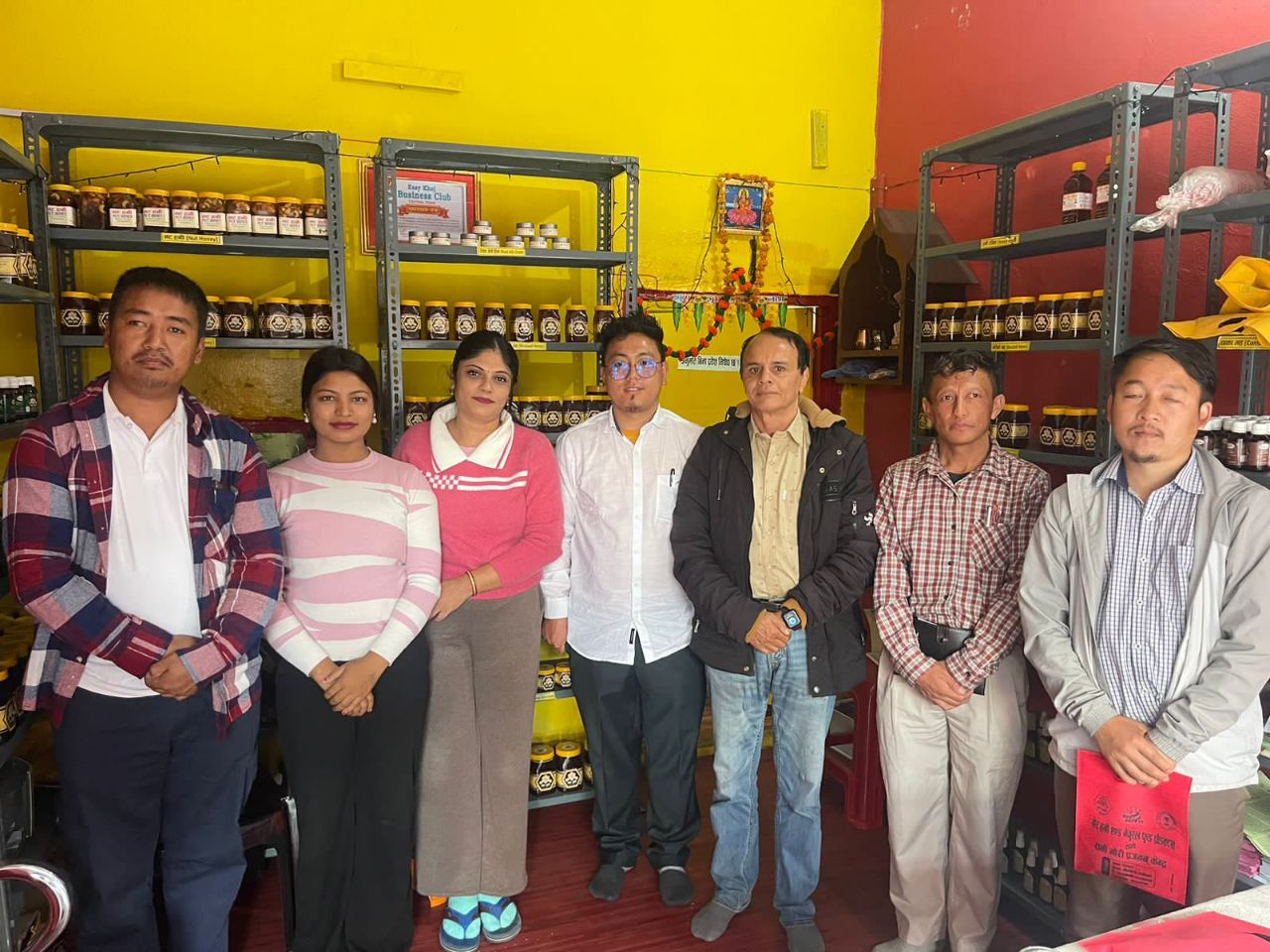
15th Dec, 2023: In a significant initiative for the growth of Bhutan’s apiculture sector, two technical staff members from the National Livestock Research Centre (NLRC) in Bumthang, along with two progressive beekeepers from Haa and Bumthang, recently completed a four-day training program on managed beekeeping in Nepal from December 11th to 14th, 2023.
Facilitated in Ramnagar, Bharatpur, Nepal, the training, organized by Gor Honey & Natural Food Products and Gorkha Bee Private Limited, focused on building technical expertise in honey product processing, packaging, branding, and effective promotion and marketing strategies. The participants engaged in a comprehensive learning experience, which included classroom teachings, practical demonstrations, and insightful field visits.
Following the training, the participants are set to implement the acquired knowledge through a strategic action plan, encompassing:
Sharing learned experiences on beekeeping management and practices, including the integration of new technologies.
Crafting a comprehensive strategy and plan for product processing, packaging, branding, and the promotion and marketing of honey products.
Executing product processing, packaging, and branding initiatives to elevate the value of honey products within the country.
This transformative training program was made possible through the generous support and funding provided by the JSB-UNDP Project IV in Thimphu, further emphasizing the collaborative efforts aimed at advancing the apiculture sector in Bhutan.
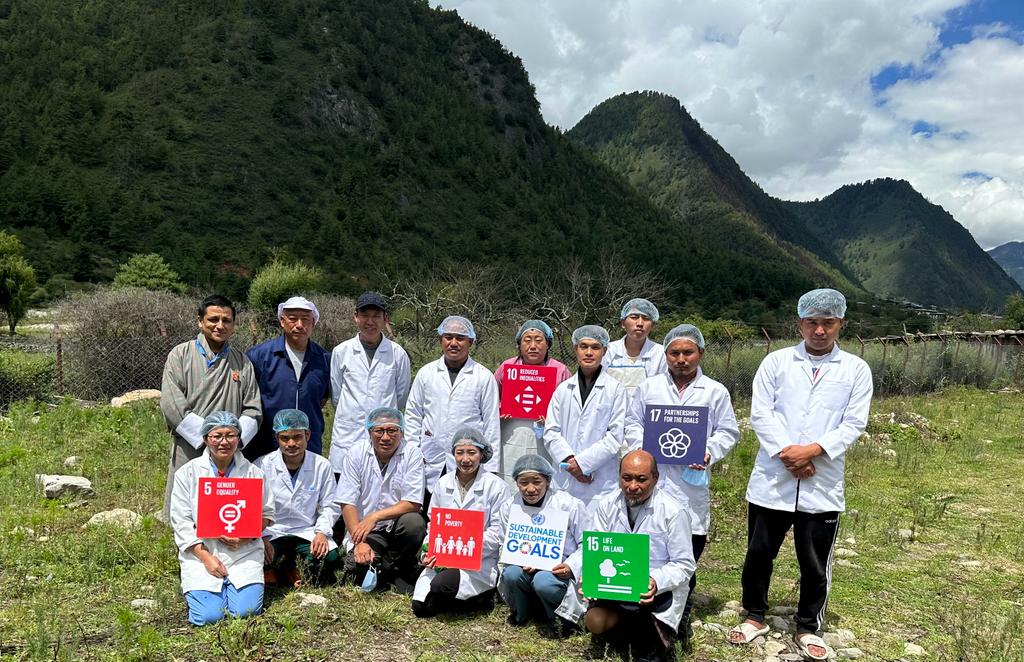
The Livestock Research & Extension Division, Department of Livestock, in collaboration with the National Highland Development Centre and Haa Dzongkhag Livestock Sector, is conducting a 5-day capacity development program. This initiative, taking place from August 29th to September 2nd, 2023, focuses on enhancing the skills of herders from Dagala, Soe Yaksa, Haa, and extension officials from Haa Dzongkha and Yak Farm.
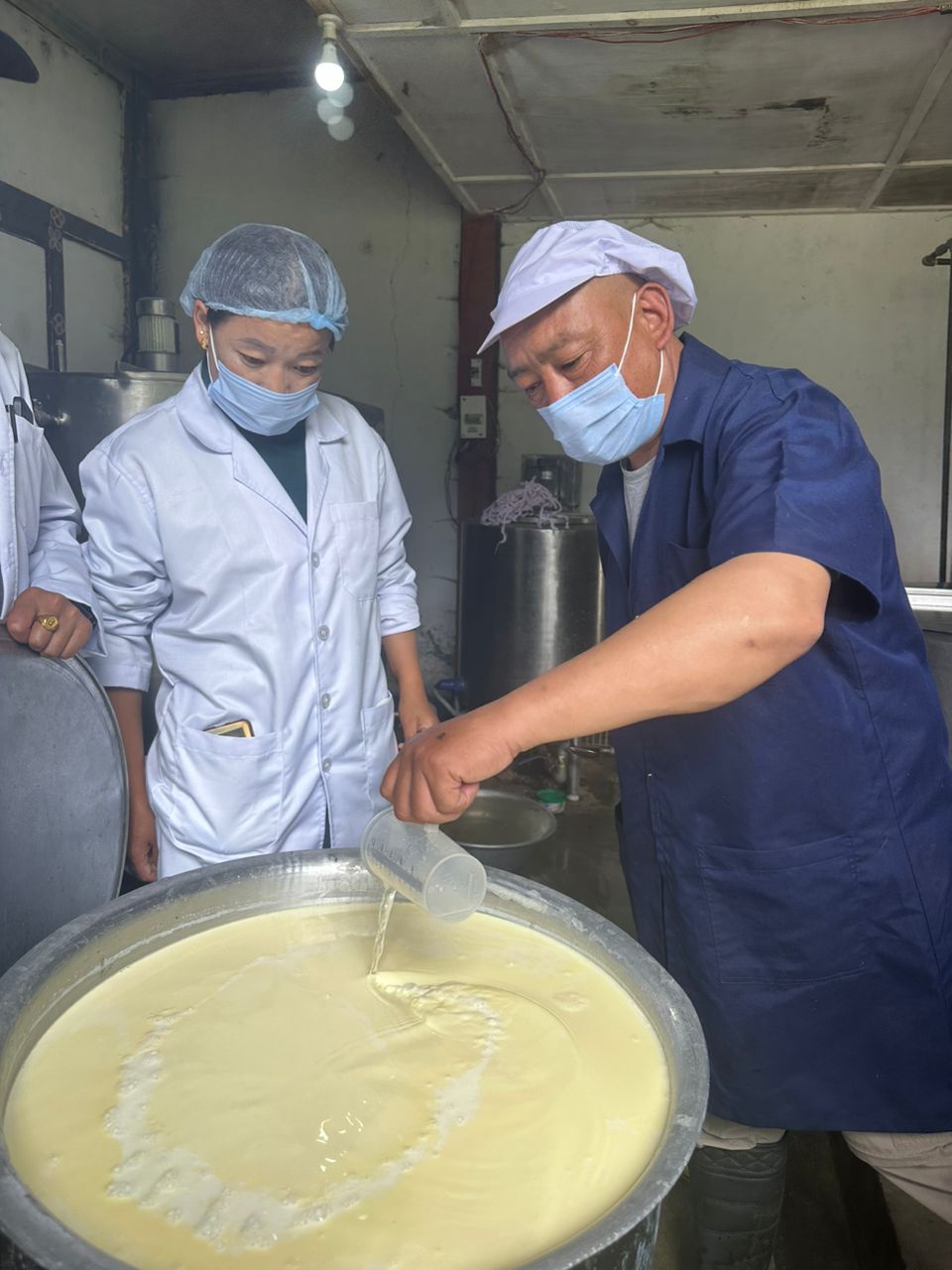
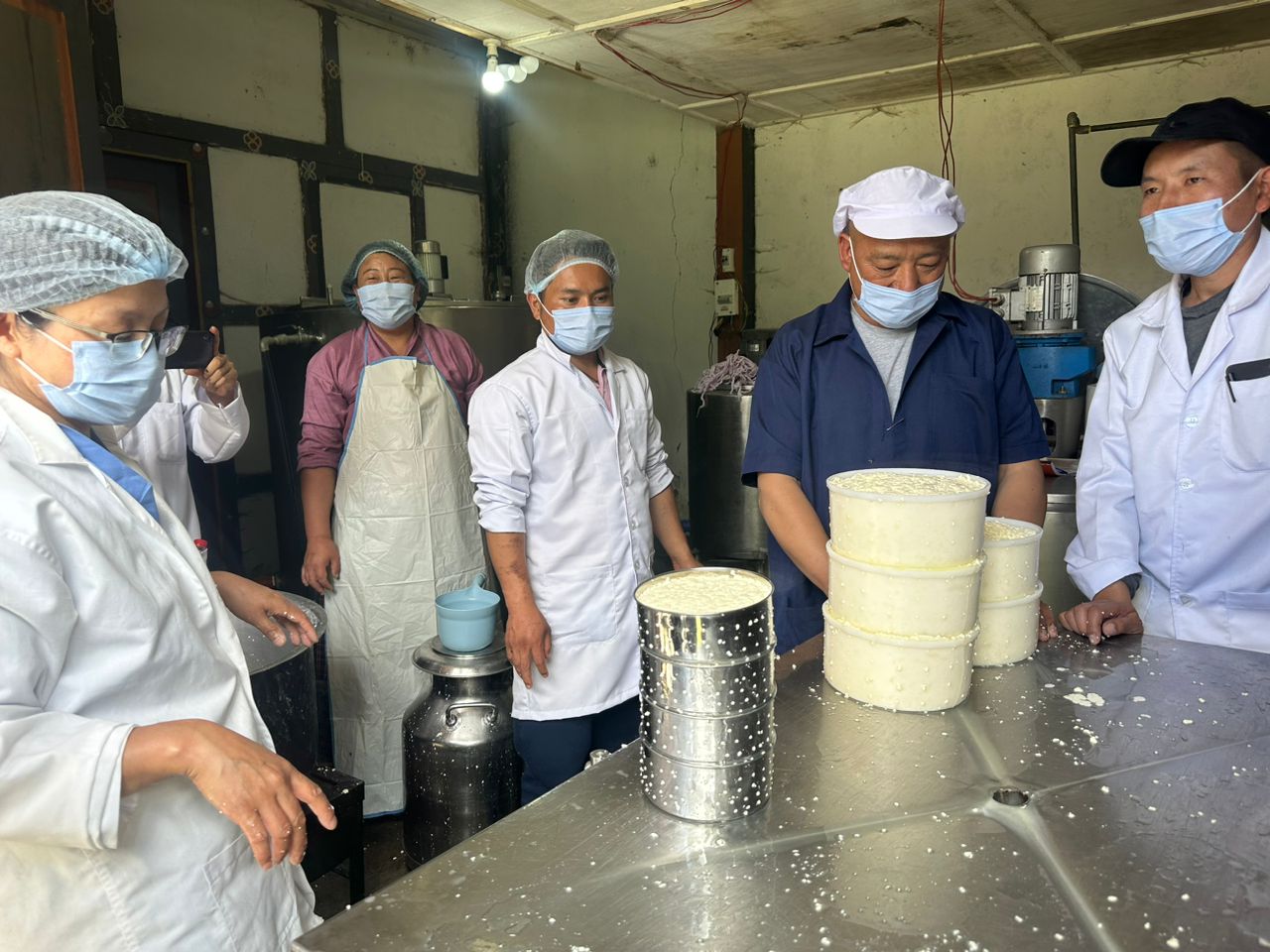
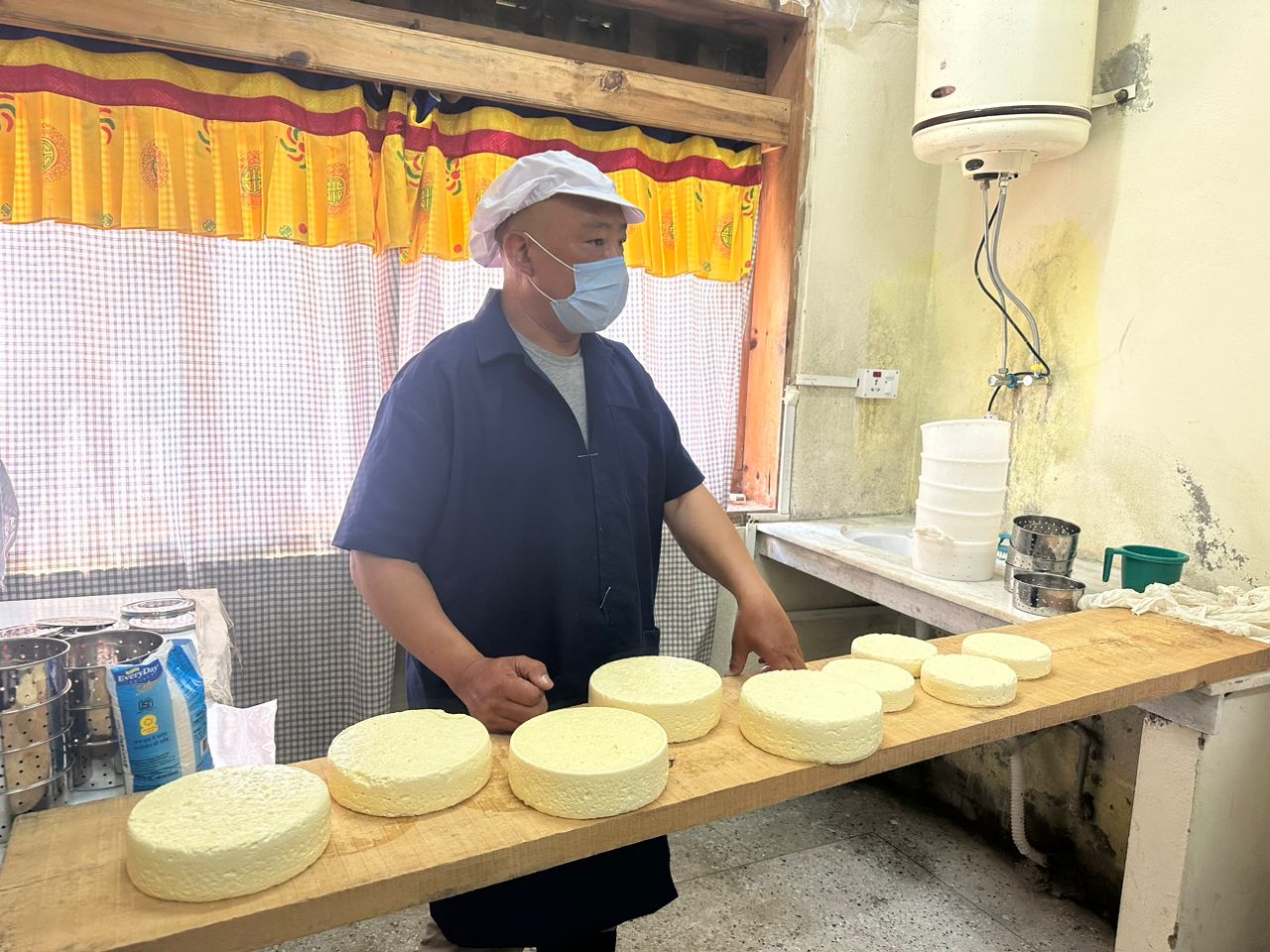
The program’s main objective is to elevate the capabilities of Bhutan Yak Federation herders and staff members in producing high-value yak cheese. This move toward diversification is coupled with efforts to secure certification for the product, its inclusion in the Geographical Indication (GI) label, and recognition as a “Made in Bhutan” exportable item.
Two seasoned dairy technicians, Mr. Tashi Penden and Ms. Sangay Wangmo, both with extensive experience, are leading the training. Participants are being equipped with practical skills in processing three distinctive cheeses: Tomme, Gumdel, and Casio Cavalle. These cheeses will undergo further treatment at Yak Farm Haa to facilitate ripening and prepare them for consumption. Notably, a young attendee from Yak Farm is also partaking in the training, showing enthusiasm for future endeavors in cheese processing.
The training initiative receives support from the UNDP JSB project, signifying its importance for highland communities. Sustainability is ensured through annual cheese processing activities during the summer grazing seasons, led by trained herders and extension staff. A UNDP representative attended the training, expressing both appreciation for the program and interest in offering further support.