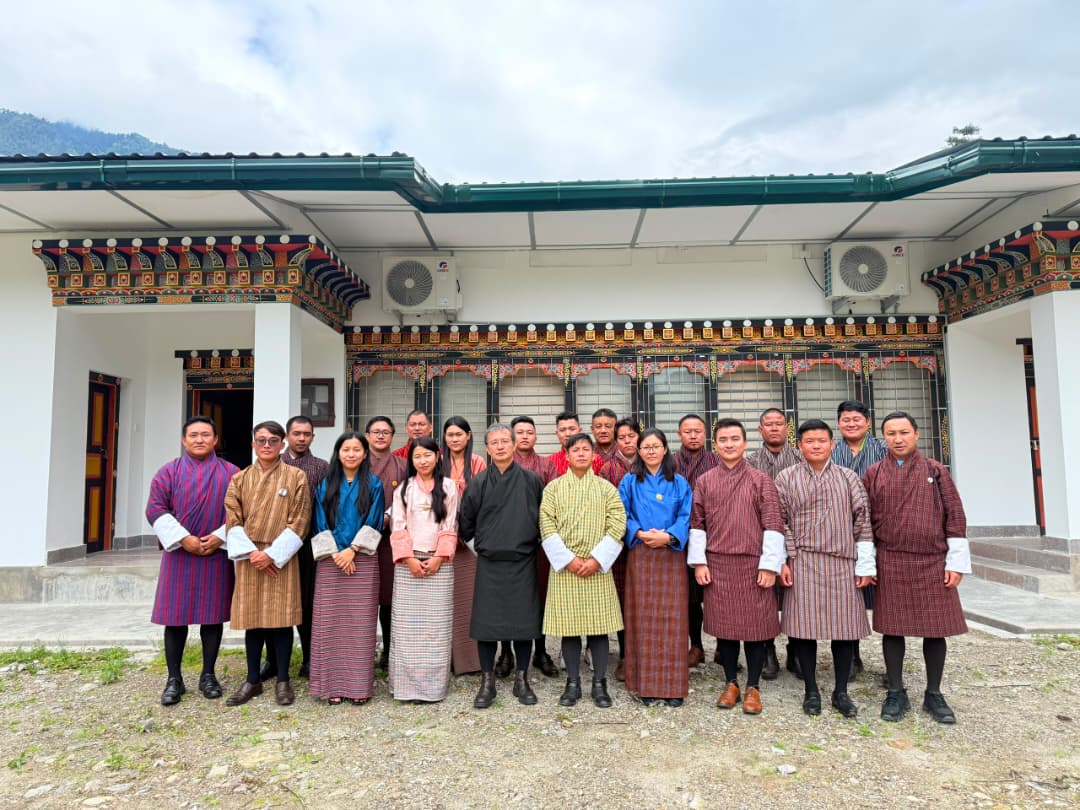
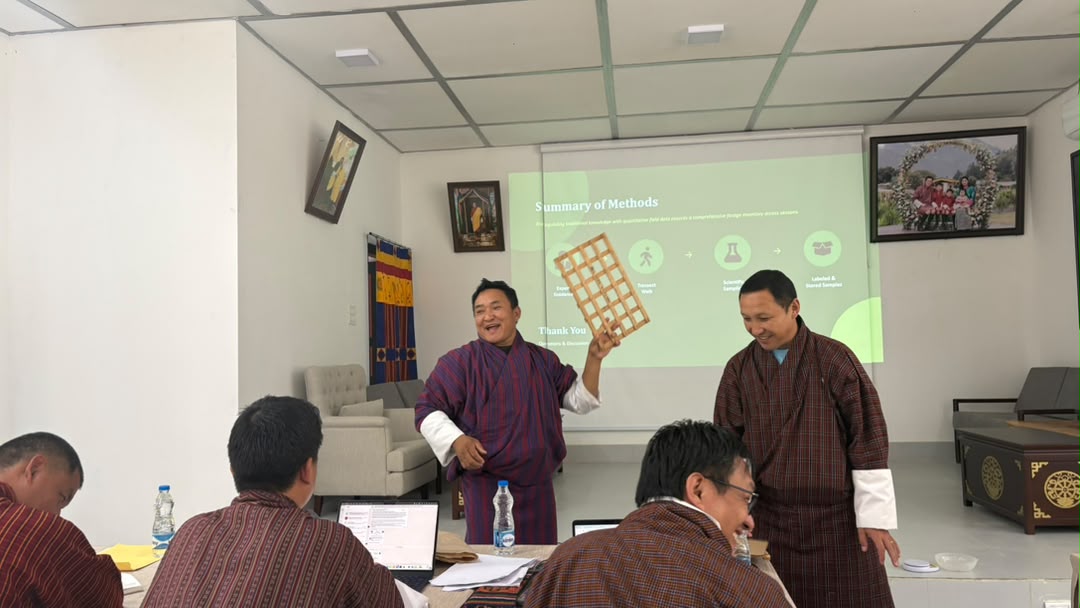
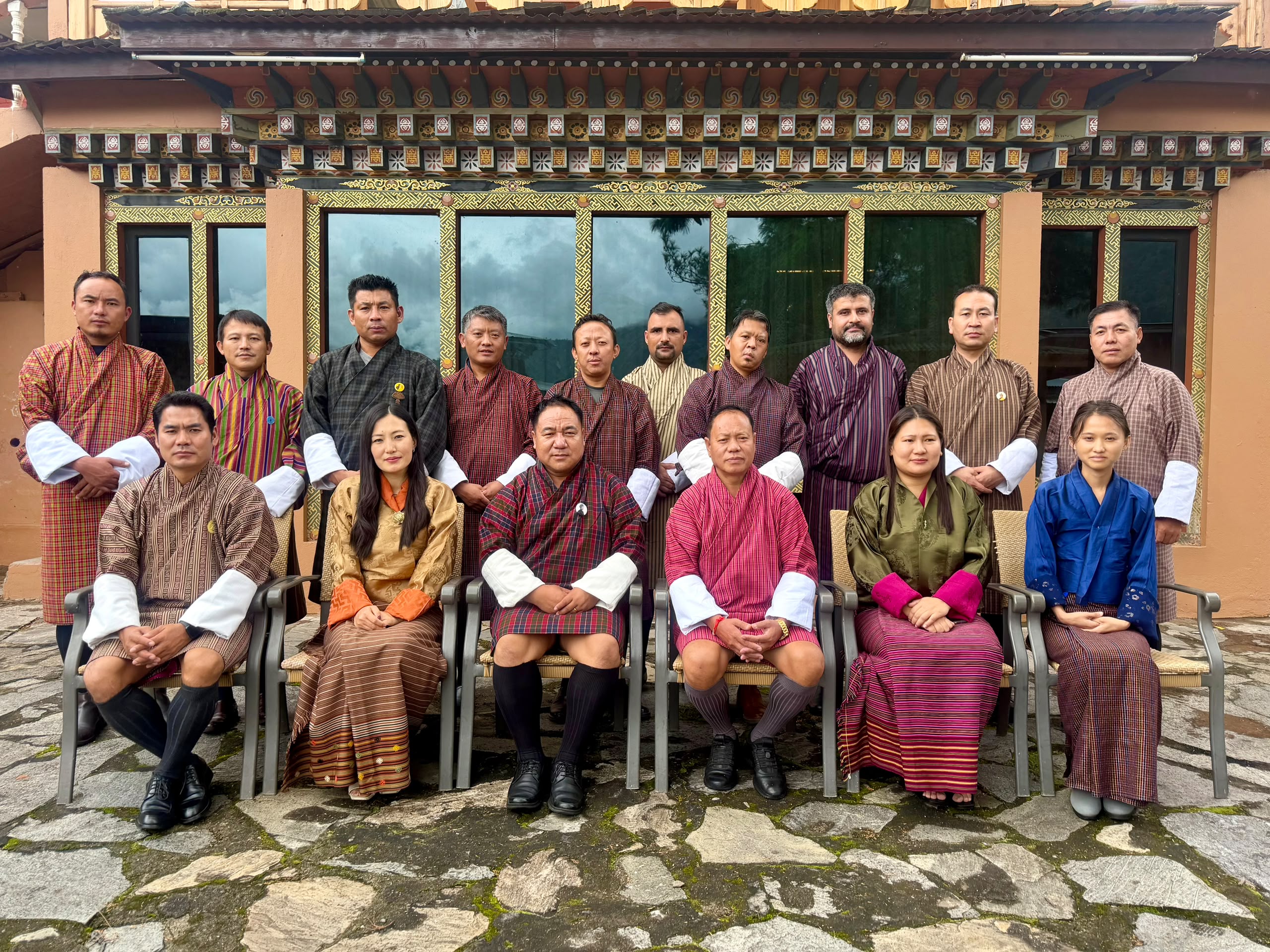
 The Department of Livestock in collaboration with Bhutan Standards Bureau (BSB), and funding support from the GEF-8 project titled “Productive and Sustainable Food Systems in Bhutan for Environmental Benefits and Gross National Happiness”, FAO organized a Sub-committee meeting for development of Bhutan Standard on Cage-free egg production. The meeting was held from 14 to 16 September in Paro.
Following the Food and Agriculture Technical Committee (TC02) meeting held on 20 August 2026, the development of a national standard on Cage-Free Egg was deliberated by the Committee. The
Committee agreed to constitute a Sub-committee on Poultry to facilitate detailed technical discussions
and undertake further work towards the development of the standard. The Sub-committee members includes representatives from Department of Livestock, Bhutan Standards Bureau, Bhutan Food and Drug Authority, Regional Livestock Development Centre, National Poultry Development Centre, Regional Poultry Breeding Centre, Karma Feeds, Food Corporation of Bhutan Limited, Dzongkhag Livestock Sectors, Poultry Federation and Famer members.
The meeting focused on the detailed review and development of the draft standard, taking into consideration relevant reference standards and Bhutan’s production context. The development of a national standard for cage-free egg production is necessary to establish clear and consistent requirements for producers adopting cage-free production systems. A standard will provide a common technical basis for production, housing, animal welfare, biosecurity, hygiene, egg handling and product requirements, while supporting conformity assessment and certification requirement.