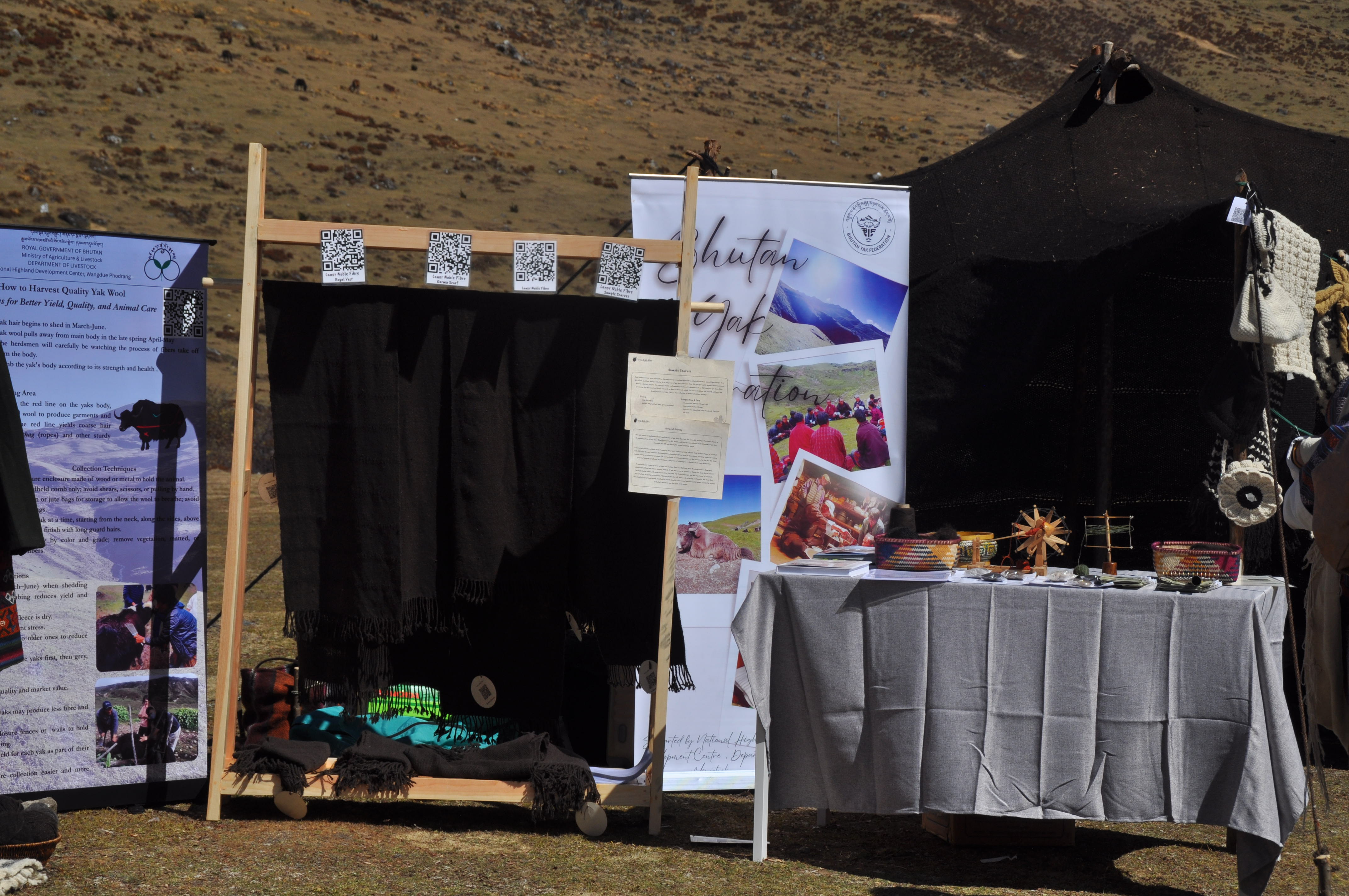
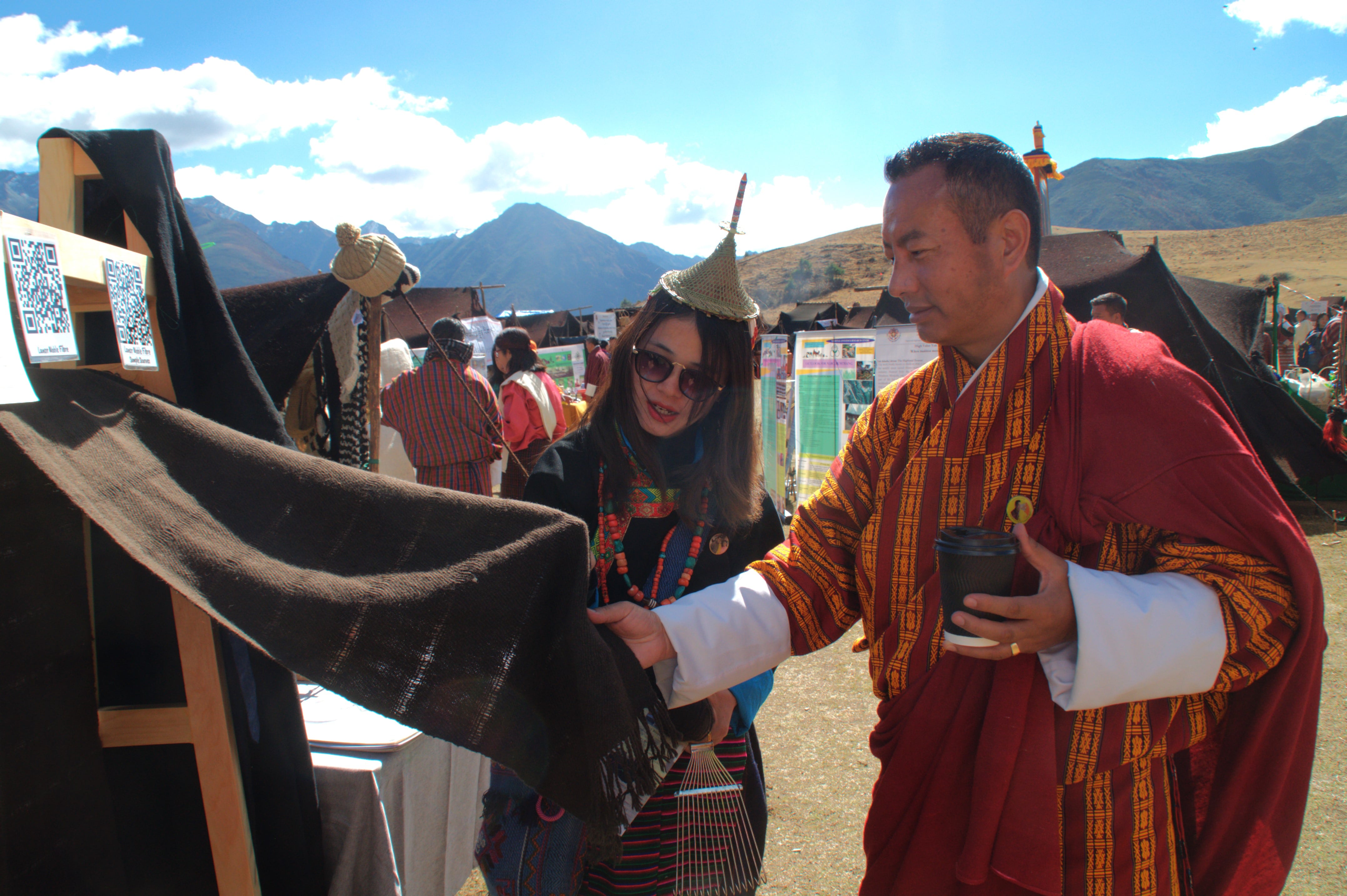
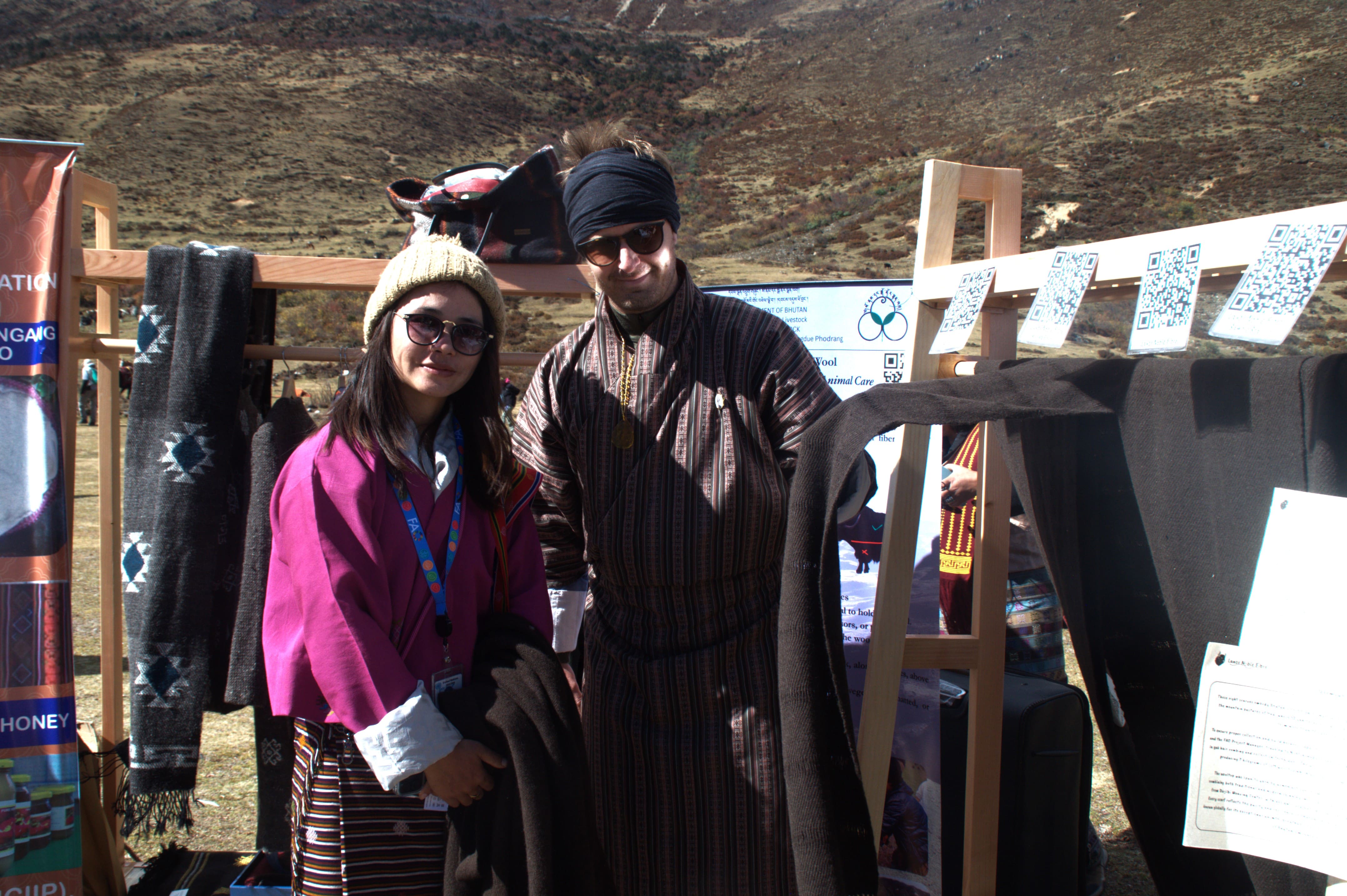
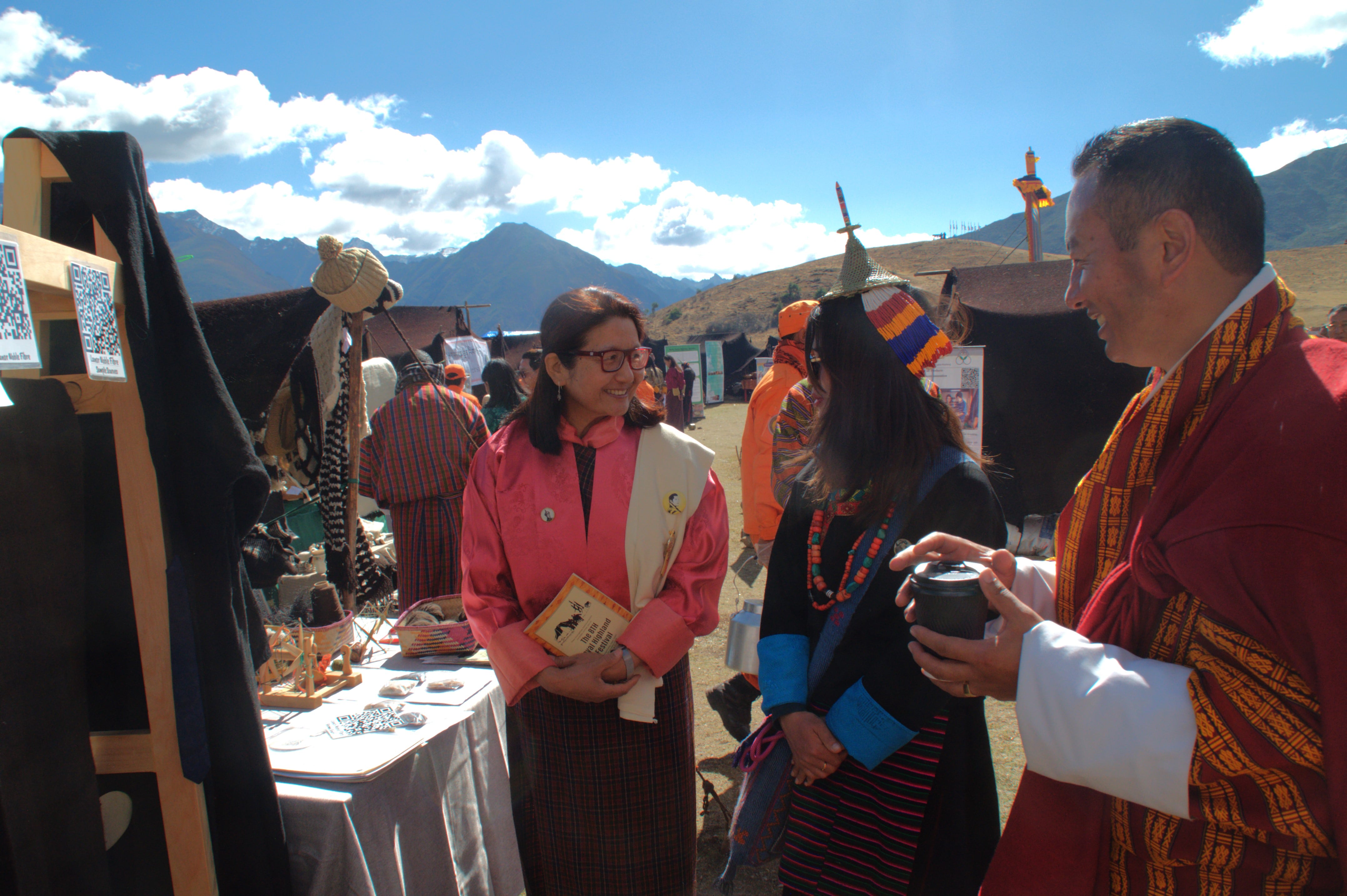
The Department of Livestock, under its premium highland brand “Lanor Noble,” showcased an exceptional range of yak cheese, yak fibre, and sheep wool products, symbolizing the fusion of tradition, innovation, and craftsmanship.
In continuation of the Bhutan Yak Fibre Value Chain Development Project, implemented by the Ministry of Agriculture and Livestock with support from FAO Bhutan, the first sample products made from processed yak down fibre were presented during the festival. These products represent the culmination of a value chain that begins with the careful collection of yak fibre in Haa, followed by refined processing at the National Yak Farm, and final product development in Bumthang, where women artisans crafted exquisite scarves celebrated for their natural warmth, softness, and enduring quality.
Special gifts made from the first processed yak down of one-year-old yaks were graciously presented to Their Majesties The King and Gyaltsuen, honoring the spirit of Bhutan’s highlands. Yak Fibre, known for being soft, warm, breathable, odour-resistant, and sustainable, stands as a true emblem of heritage meeting innovation, preserving age-old traditions while unlocking new opportunities for highland entrepreneurship and livelihood development.
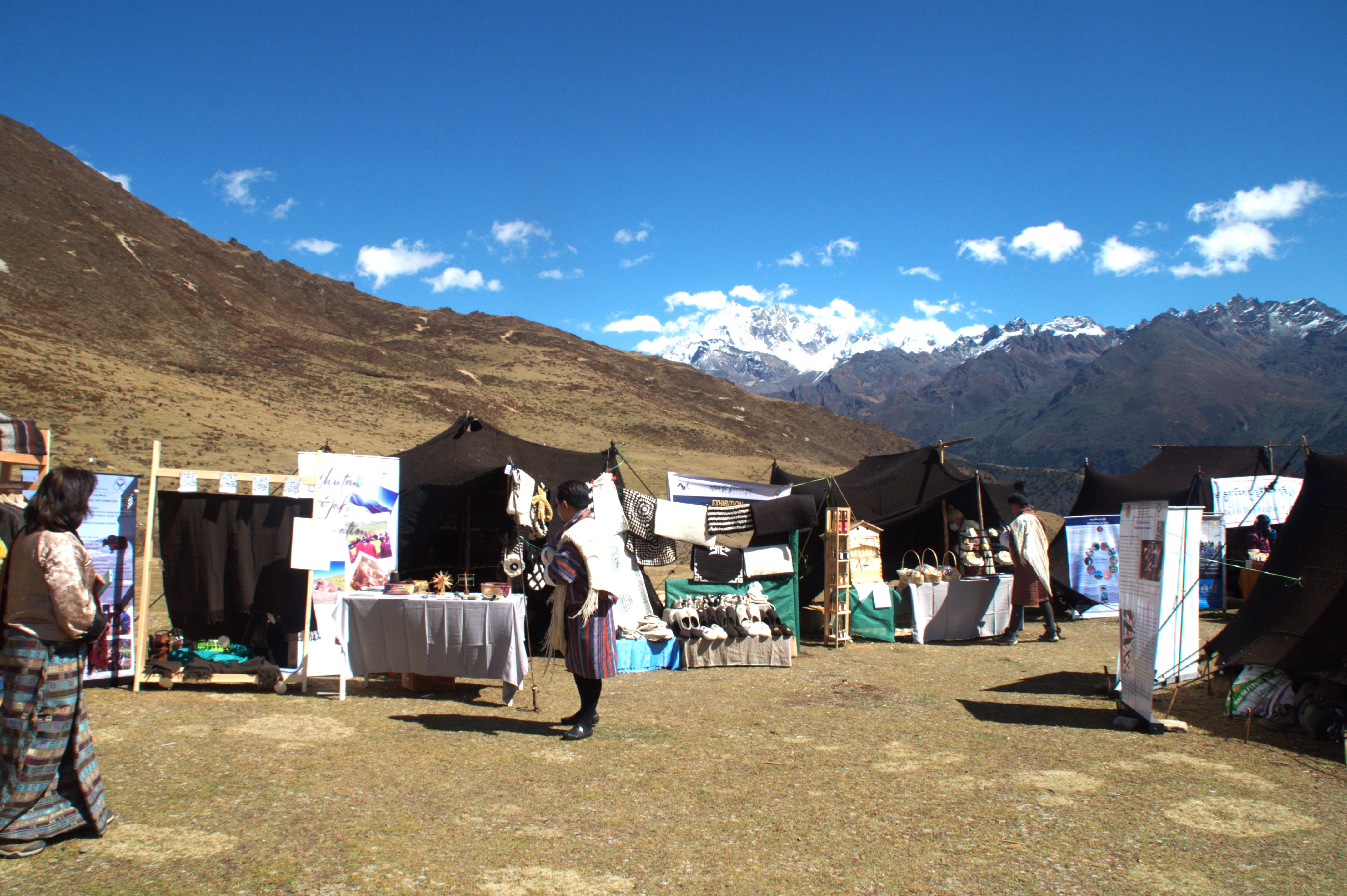
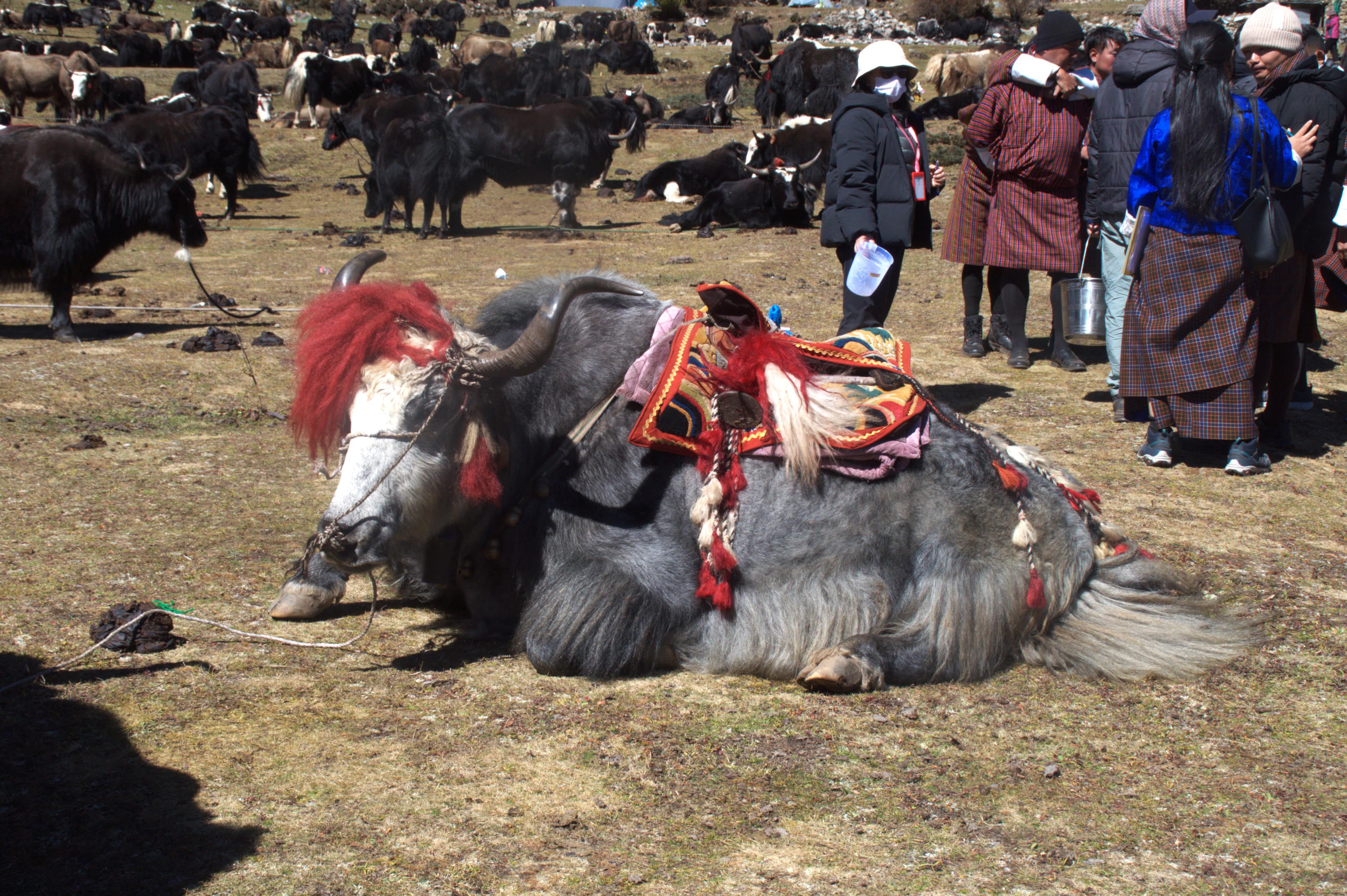
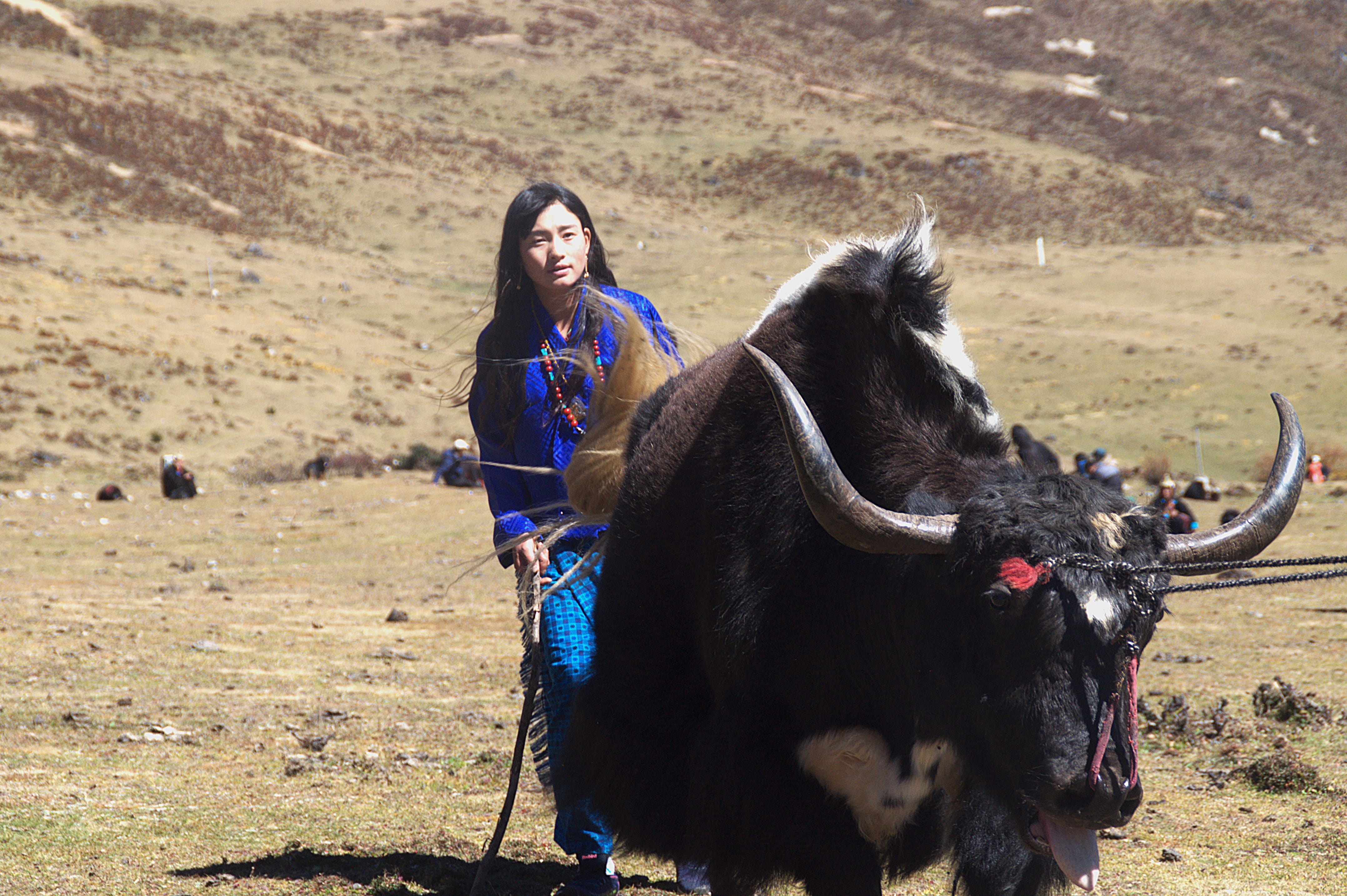
The 8th Royal Highland Festival (RHF) was held on 23–24 October 2025 at Langothang, Laya Gewog, Gasa Dzongkhag, celebrating the unique culture, traditions, and livelihoods of Bhutan’s highland communities. This year’s theme, “Highland Resilience and Prosperity”, highlighted the enduring spirit and adaptability of Bhutan’s highlanders and their contribution to the nation’s socio-economic and environmental sustainability. The festival was graced by Their Majesties The King and Gyaltsuen, along with Their Royal Highnesses Gyalsey Jigme Namgyel, Gyalsey Ugyen Wangchuck, and Gyalsem Sonam Yangden Wangchuck, reflecting continued Royal support for highland communities. The event was attended by the Prime Minister, senior officials, local leaders, highland communities, and national and international visitors, with rows of yak-hair tents creating a vibrant, traditional atmosphere.
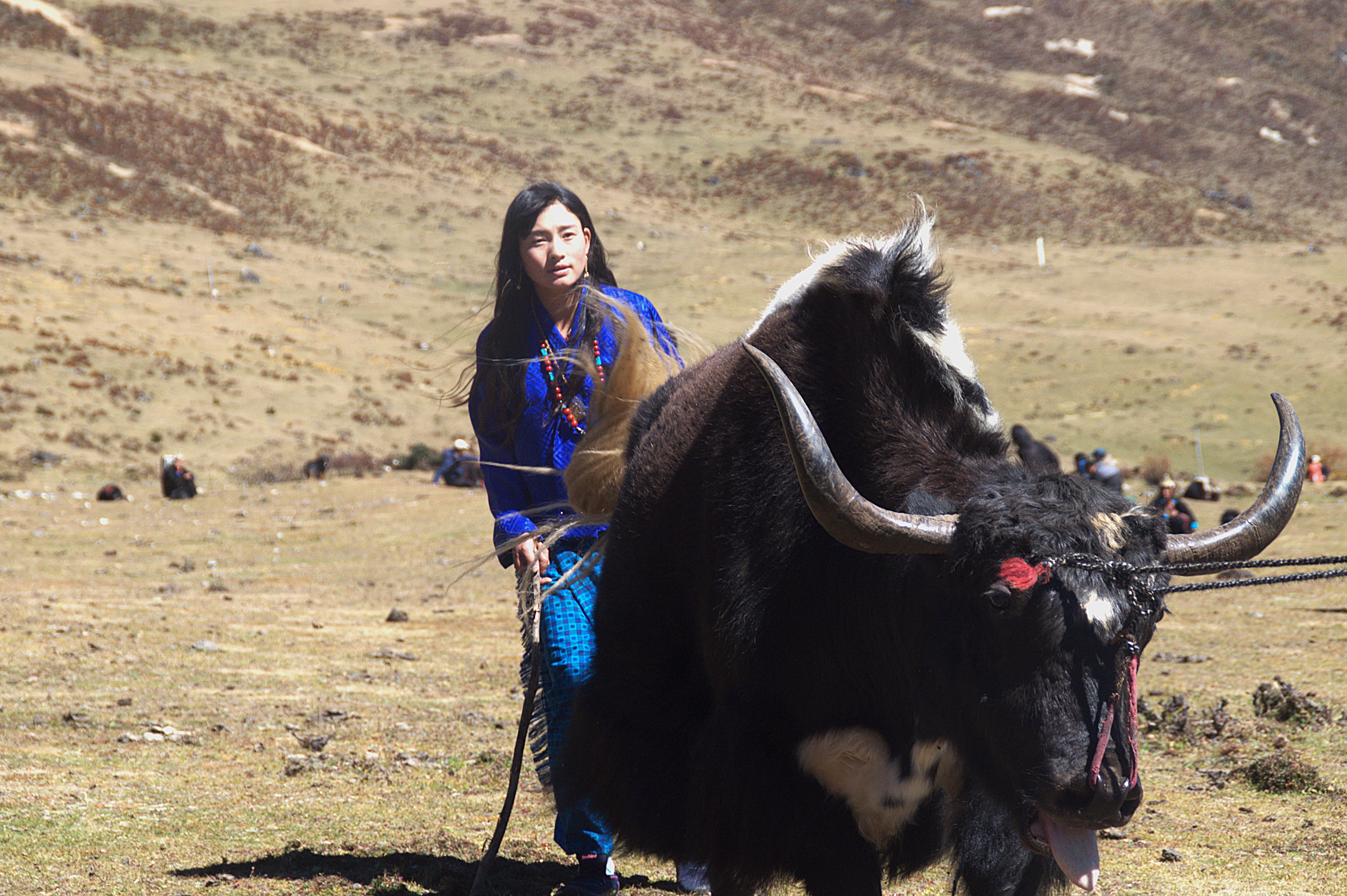
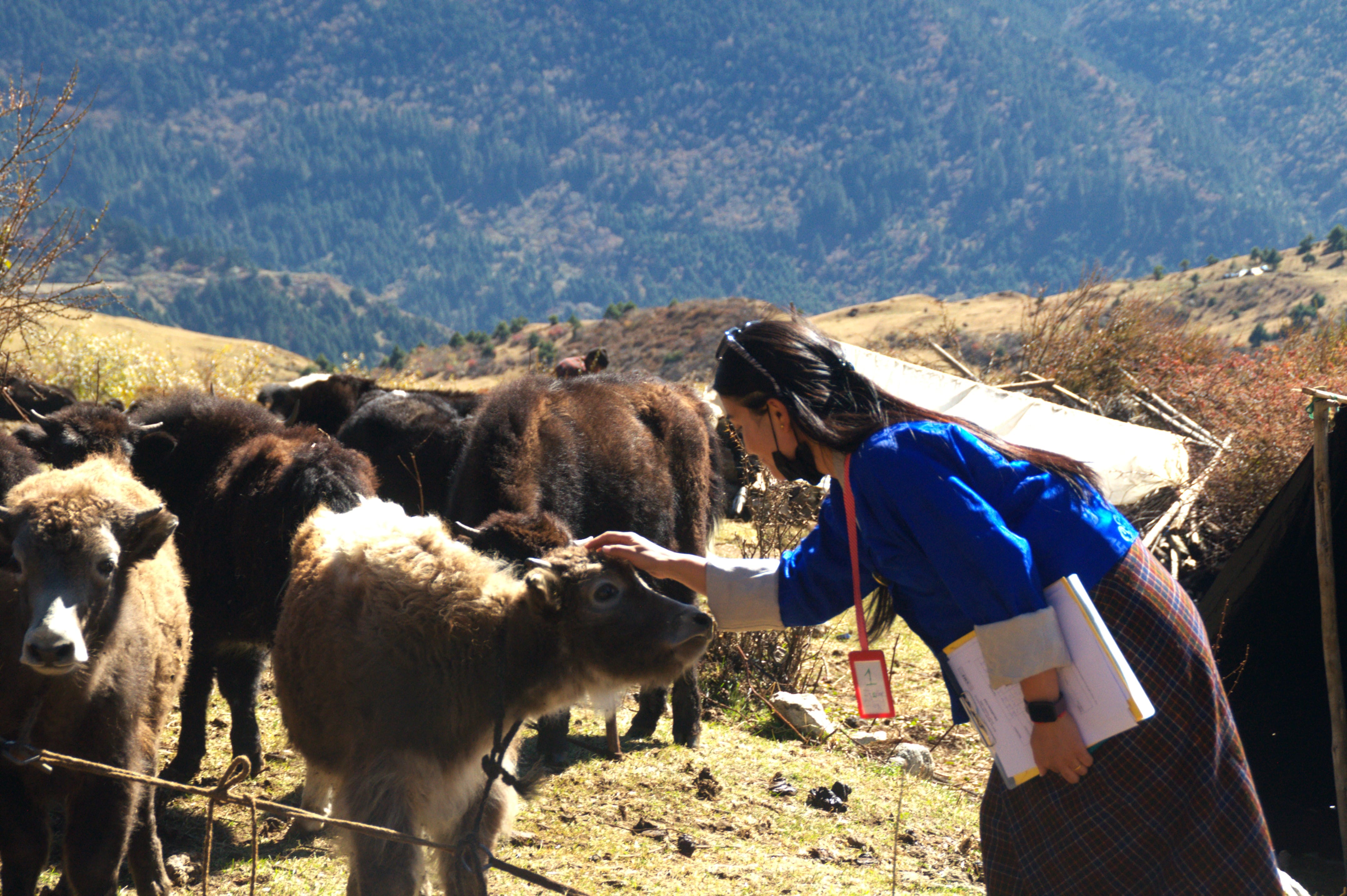
The festival featured a range of livestock competitions, including yak and horse decoration, yak breed and type contests, horse races, milk filling, and milking competitions. Bumthang Dzongkhag excelled in animal decoration, while herders from Lungo and Tokor consistently performed well in yak categories. Paro riders dominated the horse race, and Wangduephodrang and Lhuntse teams excelled in milk handling events, demonstrating highland communities’ skills, resilience, and dedication to livestock management.
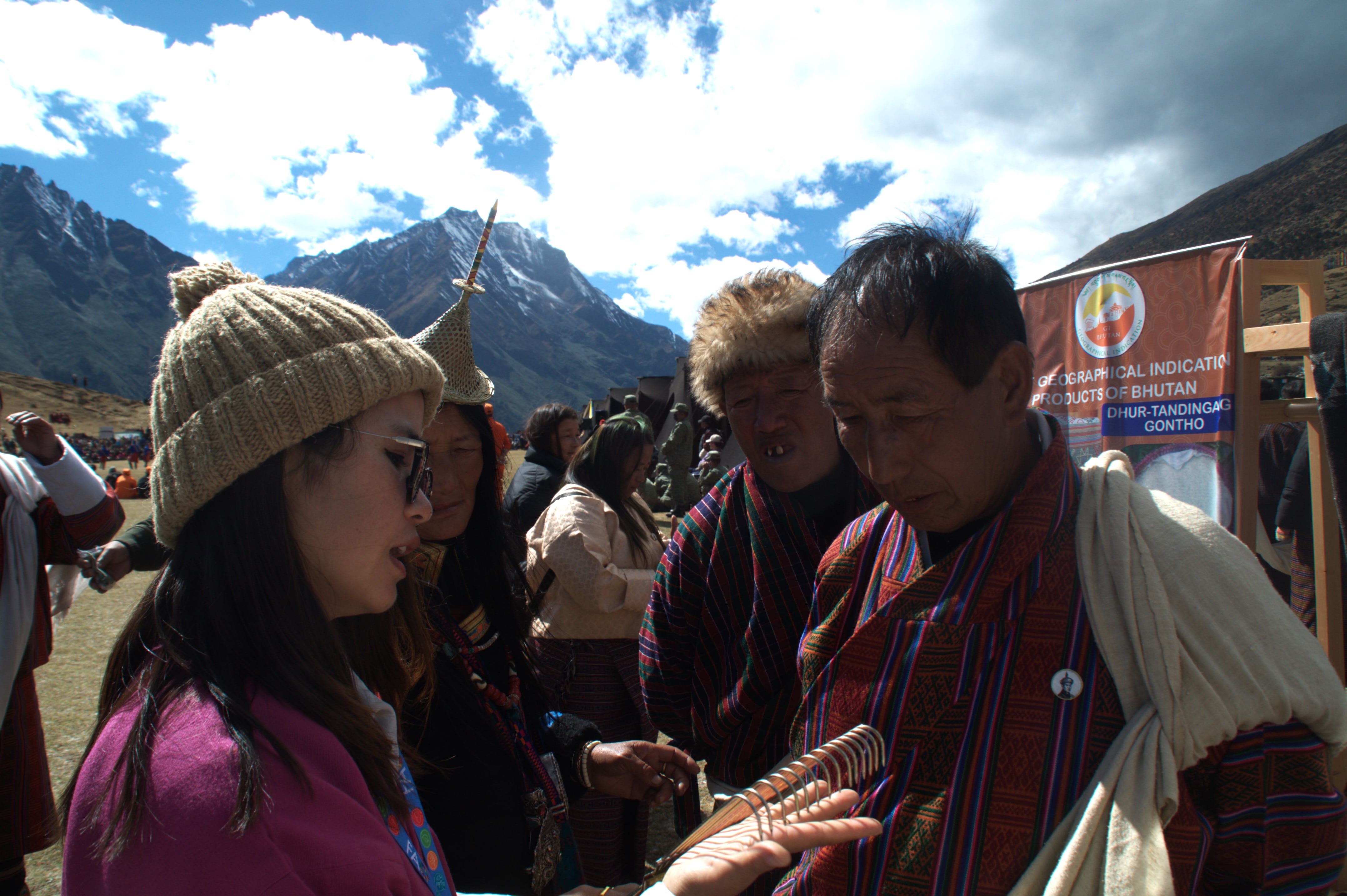
The Technology and Innovation Exhibition, led by the Department of Livestock with support from FAO Bhutan, showcased processed yak down products, sheep wool items, high-end yak cheese, and apiculture products including raw honey, cream honey, pot honey, honey wine, propolis, and royal jelly. Special gifts made from the first processed yak down of one-year-old yaks were presented to Their Majesties, symbolizing the heritage and resilience of Bhutan’s highlands. The exhibition also highlighted modern technologies, value-added products, and Geographical Indication (GI)-certified items such as high-altitude honey and fermented cheese, reflecting the potential for sustainable highland livelihoods and niche market opportunities.
Visitors enjoyed traditional ceremonies, songs and dances, exhibitions, traditional games, the Laya Run, homestays, and authentic highland cuisine, while the Royal Tokha presented by Their Majesties symbolized unity, compassion, and the enduring bond between the nation and its highland people. The festival brought together government agencies, highland dzongkhags, private entrepreneurs, and local herders, creating a vibrant platform for sharing knowledge, celebrating culture, and promoting sustainable highland development. Since its inception in 2016, the Royal Highland Festival has grown steadily, attracting Bhutanese youth and international visitors eager to experience the culture, heritage, and pristine beauty of Bhutan’s highlands, serving as a living testament to the nation’s commitment to cultural preservation, community empowerment, and environmental stewardship.