Author: DoL Livestock

Regional Livestock Coordination Meeting

Regional Livestock Coordination Meeting- Press Release.

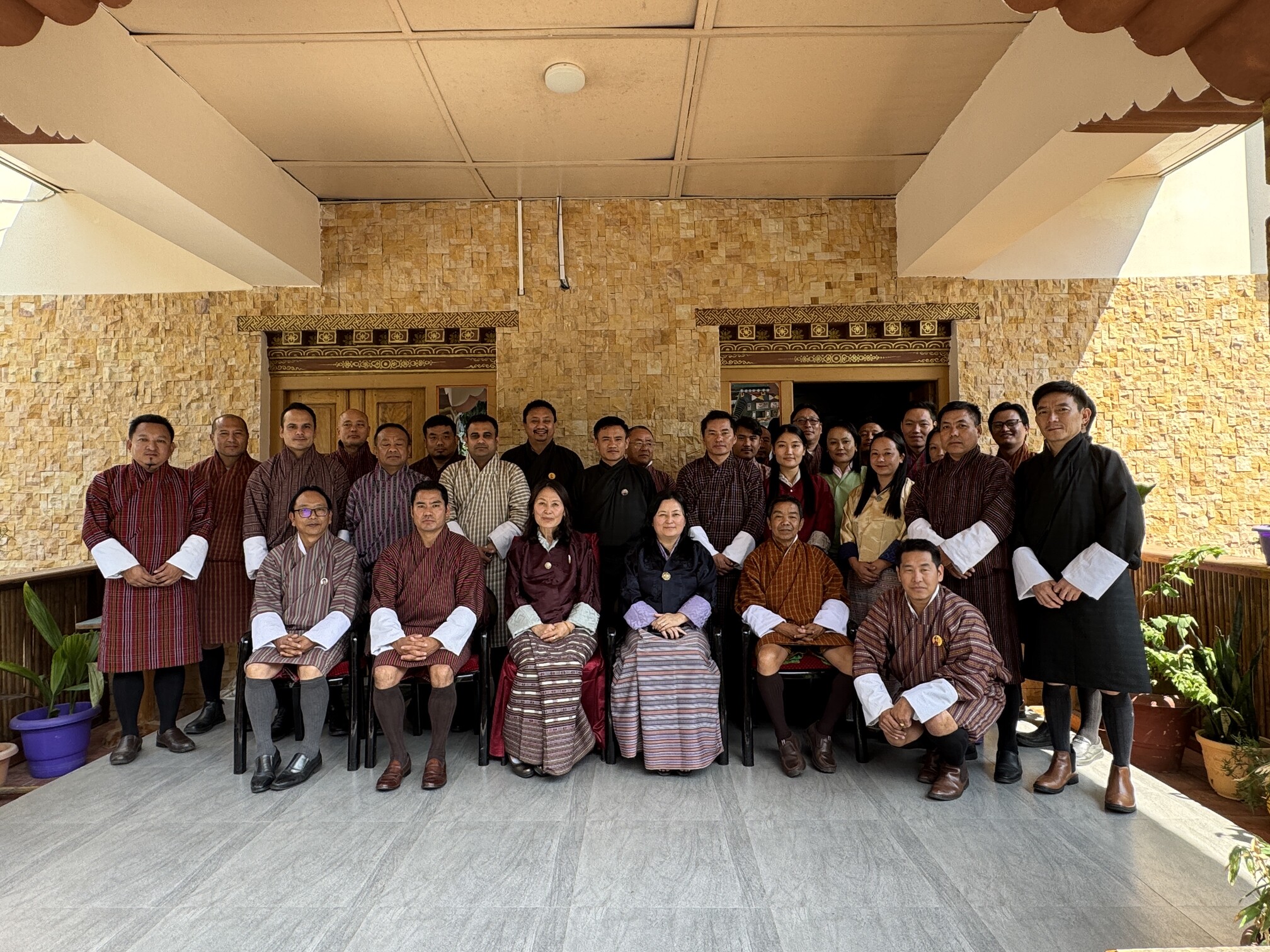
16th Oct, 2024: A two-day Regional Livestock Coordination Meeting has ended on 16th of October 2024 in Lhuntse, coordinated by Regional Livestock Development Center, Kanlgung. The meeting brought together key stakeholders, including CARLEP implementing agencies in the eastern region and other National and Regional centers under Department of livestock. 
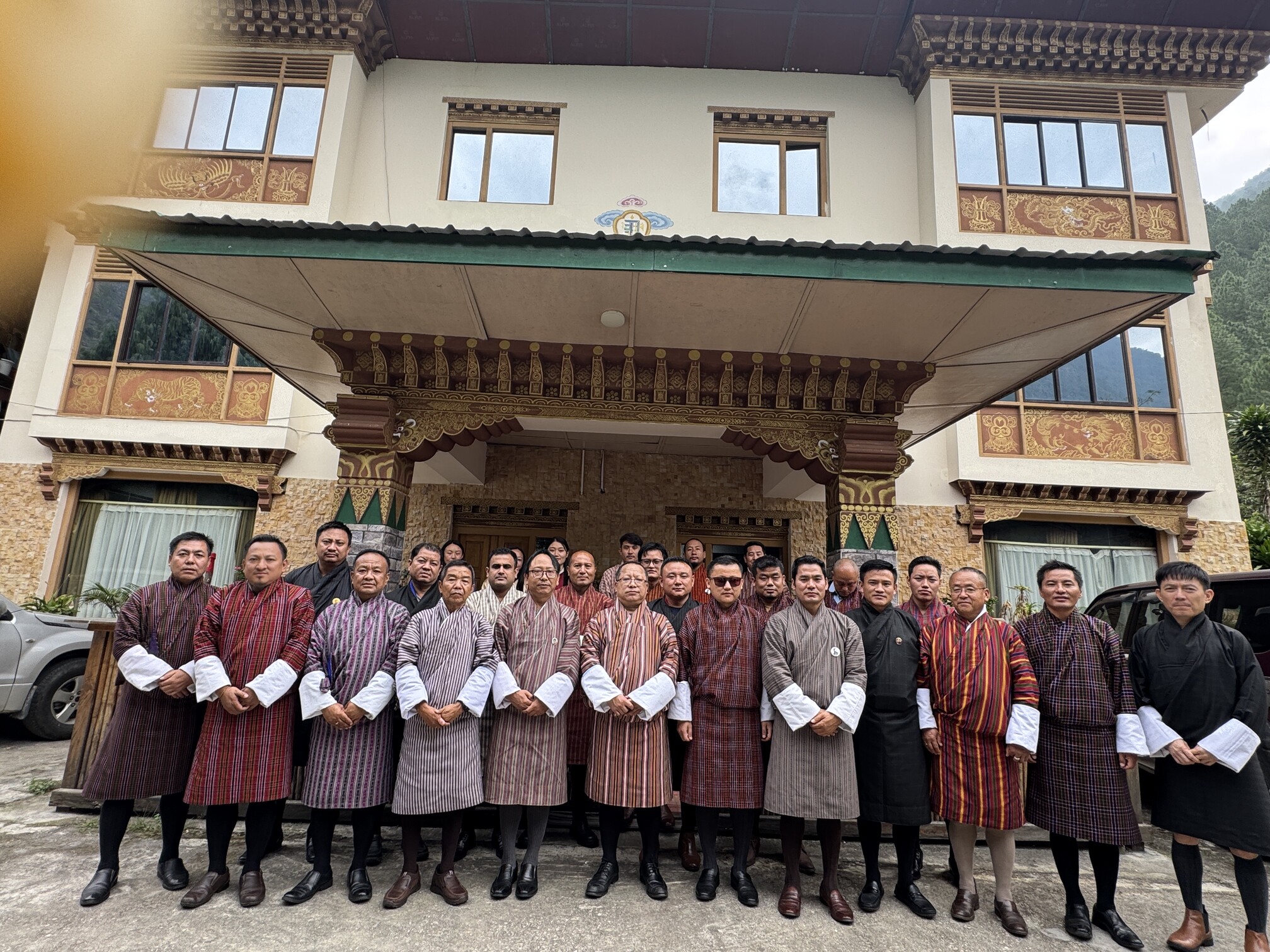
The meeting was honored by the presence of the Director of the Department of Livestock and the Chief of Animal Health Division. Their participation not only underscored the importance of this Regional Coordination Meeting but also emphasized coordinated and collaborated efforts for improving the livestock services.

The meeting was convened with overarching objectives of reviewing significant achievements within the region, streamlining work plan to optimize the resource allocation and amplify the impact and as well as identifying and collectively addressing gaps and challenges in the areas of animal health, production, nutrition, research and highland in the region.  

This two-day event will strengthen collaboration between various agencies, ensuring that resources are utilized efficiently and that actionable solutions are developed to meet the evolving challenges in the livestock sector in the region.

The meeting was funded by CARLEP project. 

Loading

𝗙𝗔𝗢 𝗘𝘅𝗽𝗲𝗿𝘁 𝗥𝗲𝗰𝗼𝗺𝗺𝗲𝗻𝗱𝘀 𝗦𝘁𝗿𝗮𝘁𝗲𝗴𝗶𝗰 𝗦𝘁𝗲𝗽𝘀 𝗳𝗼𝗿 𝗔𝗾𝘂𝗮𝗰𝘂𝗹𝘁𝘂𝗿𝗲 𝗗𝗲𝘃𝗲𝗹𝗼𝗽𝗺𝗲𝗻𝘁 𝗶𝗻 𝗕𝗵𝘂𝘁𝗮𝗻

On October 4, 2024, Ms. Pongthanapanich Tiparat, an FAO Aquaculture Expert, presented a detailed debrief following her field visit to Bhutan from September 16 to 22 to the Department of Livestock. The visit, organized by the Department of Livestock (DoL), supported by FAO, focused on assessing the aquaculture component of FAO’s Technical Cooperation Programme (TCP 3903) and identifying areas for further development, particularly in trout and carp farming.
During her visit, Ms. Tiparat observed Bhutan’s significant potential for aquaculture growth but noted key challenges in infrastructure, seed quality, and local fish feed production. To address these, she recommended establishing local feed production facilities to reduce dependency on expensive imports, which currently limit the profitability and scalability of aquaculture operations in Bhutan. This would enable farmers to access high-quality, affordable feed and foster sustainable growth within the sector.

Additionally, Ms. Tiparat emphasized the importance of improving fish seed (fingerlings) quality, particularly at government hatcheries, to prevent inbreeding and ensure the availability of high-quality fingerlings. She also advocated for the development of national aquaculture guidelines, in line with Good Aquaculture Practices (GAP), to ensure sustainable farming methods and compliance with international standards. This would be especially critical for Bhutan’s efforts to enter high-value export markets.

A key strategic initiative discussed was the Chirup Farm concept, which aims to support small-scale, subsistence farmers in transitioning to commercially viable operations. This approach would involve building model farms and promoting collaboration between government entities, the private sector, and local farmers to create a robust aquaculture business ecosystem in Bhutan, covering everything from input supply to post-harvest processing.

Moving forward, the DoL and FAO will work together to develop detailed plans focusing on capacity building, sustainable feed and seed production, and strengthening Bhutan’s aquaculture industry, with the goal of ensuring long-term growth and sustainability.

Loading