Author: DoL Livestock

𝗦𝘁𝗿𝗲𝗻𝗴𝘁𝗵𝗲𝗻𝗶𝗻𝗴 𝗰𝗮𝗽𝗮𝗰𝗶𝘁𝘆 𝘁𝗼 𝗰𝗼𝗺𝗯𝗮𝘁 𝗔𝗳𝗿𝗶𝗰𝗮𝗻 𝗦𝘄𝗶𝗻𝗲 𝗙𝗲𝘃𝗲𝗿 (𝗔𝗦𝗙)

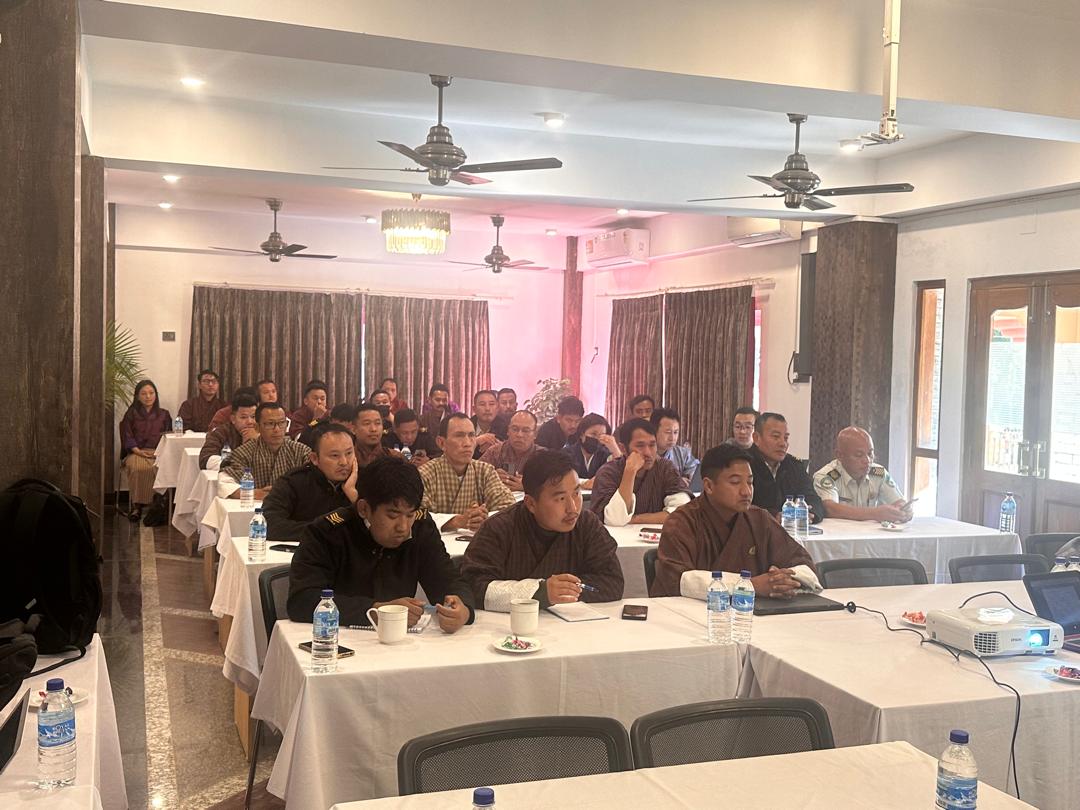
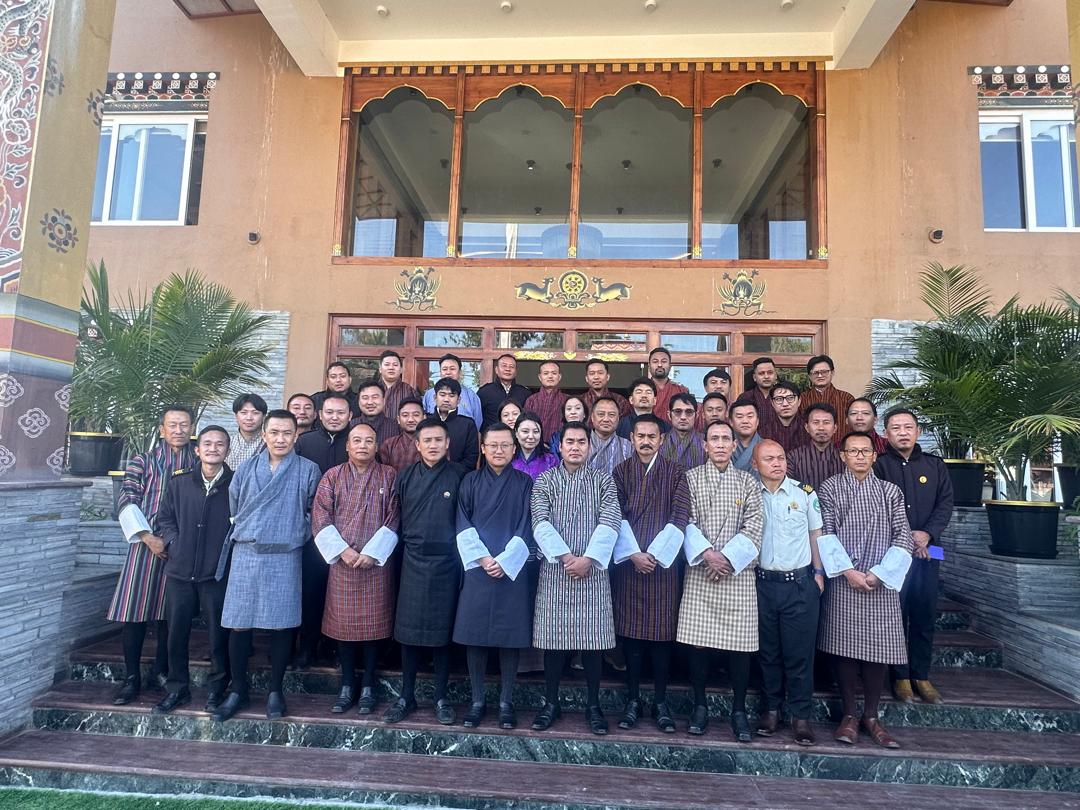
18 𝘋𝘦𝘤𝘦𝘮𝘣𝘦𝘳, 2024 (𝘎𝘦𝘭𝘦𝘱𝘩𝘶): A three-day training program aimed at strengthening Bhutan’s capacity to combat African Swine Fever (ASF) and enhance farm biosecurity practices was conducted in Gelephu. The program brought together 42 officials from the Department of Livestock (DoL) and the Bhutan Food and Drug Authority (BFDA), comprising 19 participants from BFDA and 23 from DoL.
The training sought to equip participants with critical knowledge and skills to prevent, detect, and respond to ASF, a highly contagious and fatal viral disease that has caused significant economic losses globally, including in Bhutan. With the region experiencing ongoing ASF outbreaks, the program was designed to facilitate efficient responses to potential incursions and ensure effective coordination of outbreak management measures.

Facilitated by experts from the National Centre for Animal Health (NCAH), BFDA, the National Piggery Development Centre (NPiDC), the Regional Livestock Development Centre (Kanglung), and the Regional Veterinary Hospital and Epidemiology Centres (Dewathang and Gelephu), the training covered key areas such as ASF epidemiology, clinical signs, transmission pathways, diagnostic techniques, and biosecurity measures. Participants also engaged in stakeholder mapping, outbreak investigation simulations, and exercises in data collection and analysis.
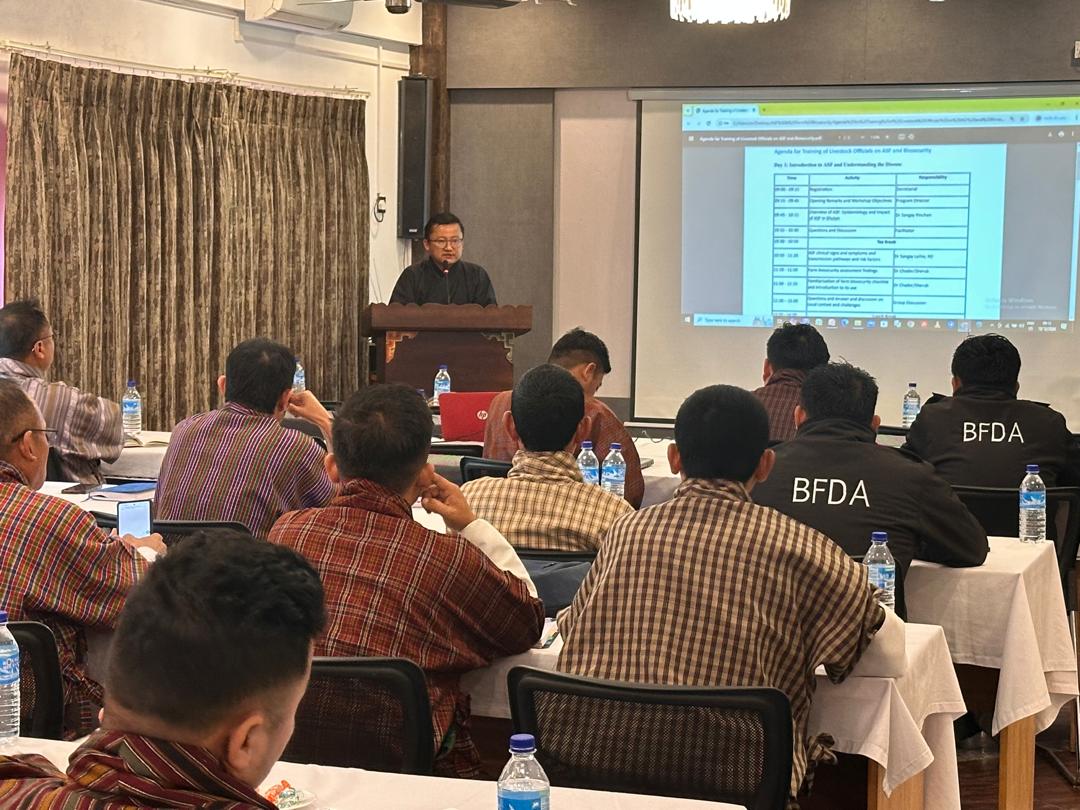
Organized by the NCAH under the Department of Livestock and funded by the FAO Bhutan Emergency Technical Cooperation Program (eTCP) for ASF, this training initiative emphasized cross-agency collaboration and practical, hands-on learning. It aimed to ensure a coordinated and effective national response to potential ASF threats while reinforcing Bhutan’s overall preparedness and resilience in managing livestock health emergencies.

Loading

Empowering Bhutan’s herders to revitalize Yak wool production

12.12.2024, Haa: Bhutan’s highlands are home to approximately 29,699 Yaks  (NSB, 2023), and the untapped potential of their wool represents an opportunity for significant economic growth. An estimated USD 35 490 (BTN 2,912,491) could be generated annually from yak fiber if just 50 percent of yaks are harvested for wool. However, the highland communities have struggled with challenges such as insufficient market knowledge, poor yak hair harvesting methods, and inadequate hands on training, leading to a decrease in interest among herders. These issues have also put Bhutan’s rich and unique highland culture at risk.

The Department of Livestock, Ministry of Agriculture and Livestock, in collaboration with the Food and Agriculture Organization of the United Nations (FAO) Bhutan has  an ongoing project titled “Technical Support for Product Diversification of Yak Wool Fiber to Improve Livestock Income and Livelihoods of Highland Communities.” This project aims to establish a sustainable yak wool value chain in Bhutan, providing technical support to enhance yak production and improve the income of smallholder yak farmers.

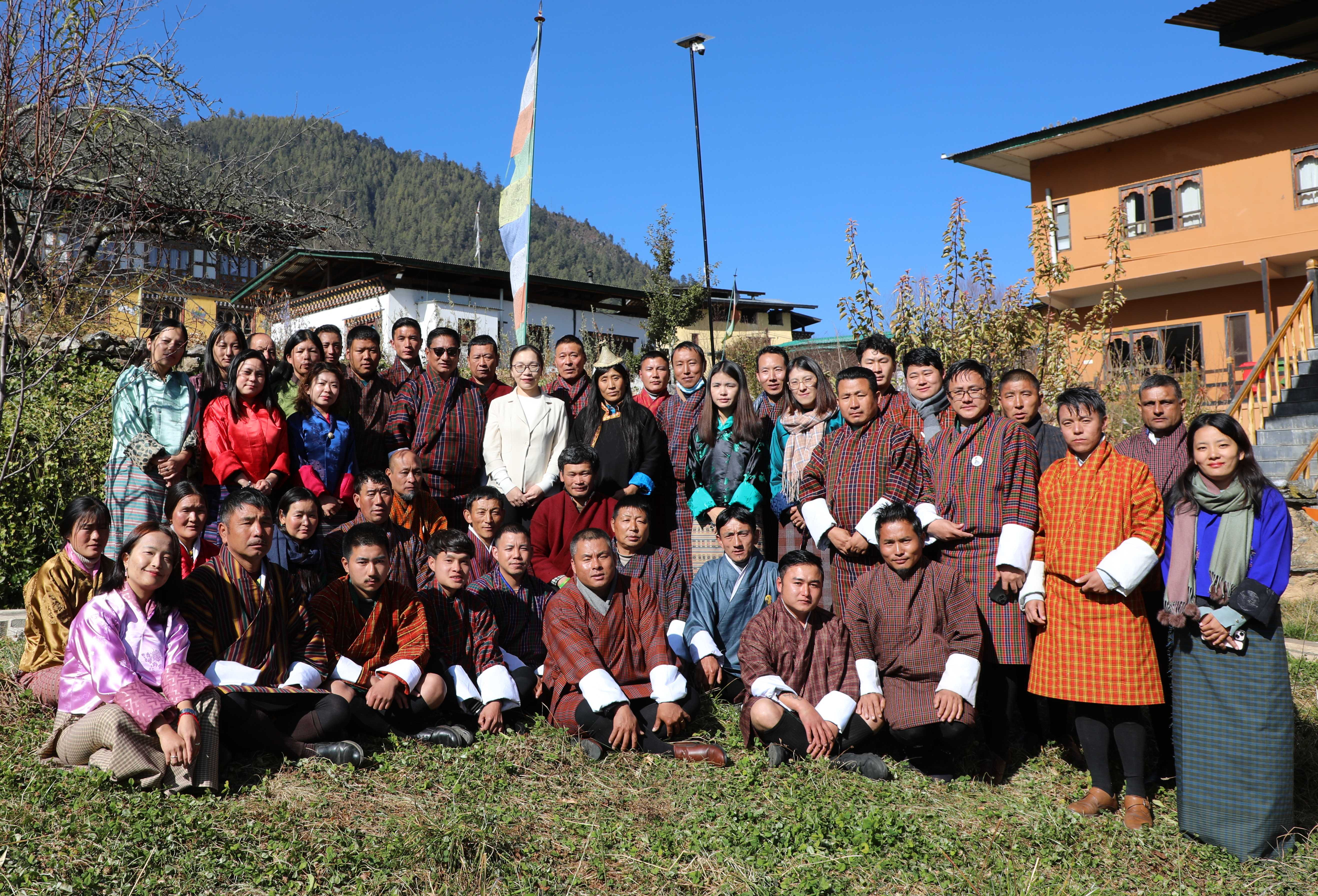
As part of the project, a Training of Trainers (ToT) program on wool processing and product development is  going on from 11th and 12th of December 2024 in Haa  with the aim to revitalize the yak wool enterprise in the country. A total of 46 participants, including 17 yak herders and 19 technical staff from 10 highland dzongkhags are attending the ToT program. The training was facilitated by Mrs. Batchimeg Ganbaatar, a yak wool expert from the Mongolian University of Science and Technology, bringing international expertise to enhance local capacities.

To support this initiative, advanced yak wool processing equipment—including carding, dehairing, washing, spinning, and drying machines—has been procured and installed at the National Yak Farm.

This initiative is a significant step toward diversifying the income streams of Bhutan’s highland communities while preserving their traditional livelihoods and ensuring the sustainable use of yak resources. With the combined effort of government officials, experts, and local herders, this initiative is set to unlock a new wave of economic opportunity for the 897 yak-owning households across Bhutan’s highlands.

This will eventually provide alternative sources of income for the mountain communities, reliant on traditional income sources such as cordyceps, while building long-term economic stability for future generations.

DoL, MoAL

Loading