𝐃𝐨𝐋 𝐃𝐢𝐫𝐞𝐜𝐭𝐨𝐫 𝐚𝐧𝐝 𝐂𝐡𝐢𝐞𝐟𝐬 𝐦𝐞𝐞𝐭 𝐰𝐢𝐭𝐡 𝐭𝐡𝐞 𝐋𝐢𝐯𝐞𝐬𝐭𝐨𝐜𝐤 𝐒𝐞𝐜𝐭𝐨𝐫 𝐨𝐟 𝐌𝐨𝐧𝐠𝐚𝐫 𝐚𝐧𝐝 𝐓𝐚𝐬𝐡𝐢𝐠𝐚𝐧𝐠 𝐃𝐳𝐨𝐧𝐠𝐤𝐡𝐚𝐠𝐬

𝘔𝘦𝘦𝘵𝘪𝘯𝘨 𝘸𝘪𝘵𝘩 𝘔𝘰𝘯𝘨𝘢𝘳 𝘋𝘓𝘚

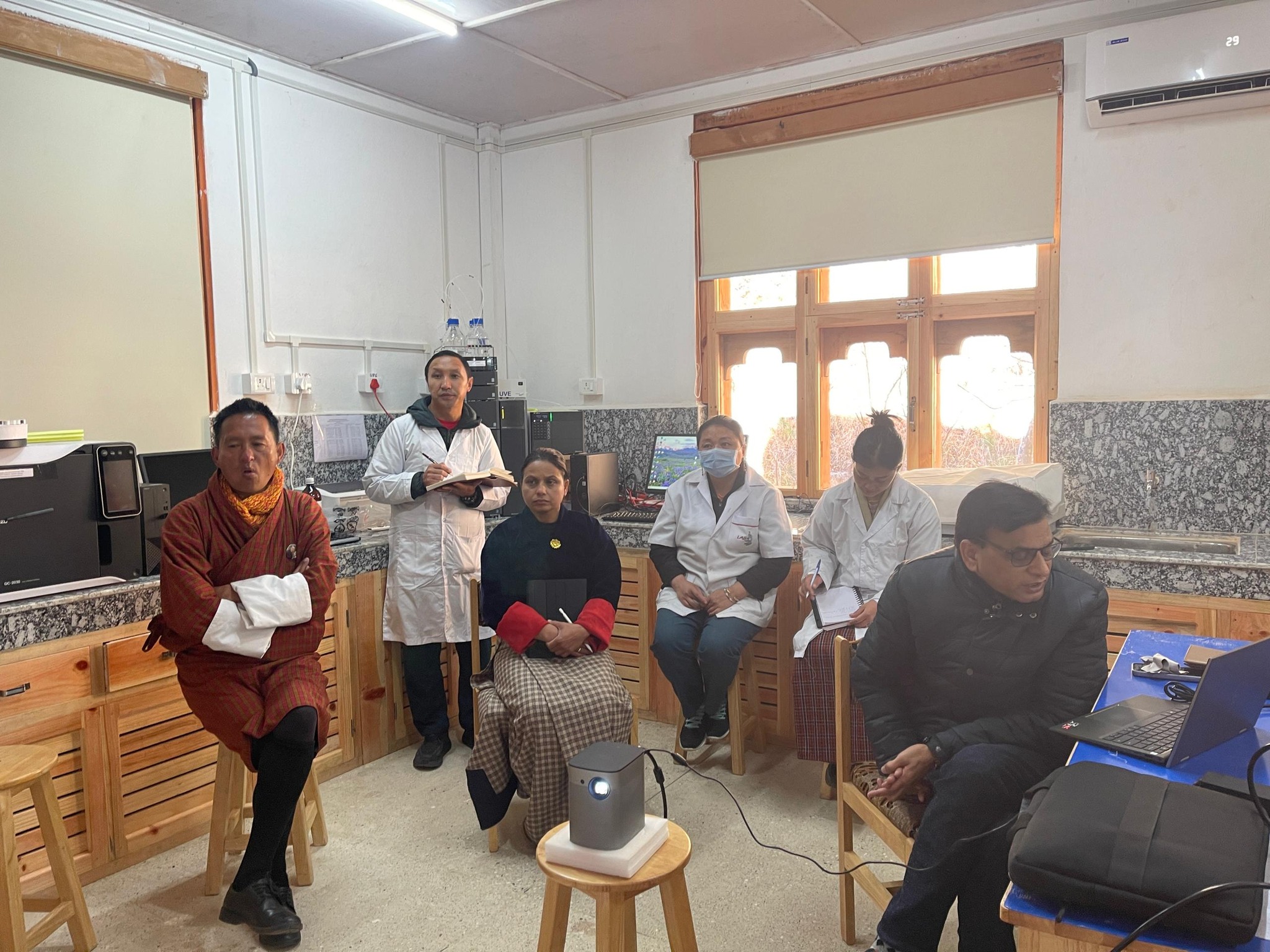
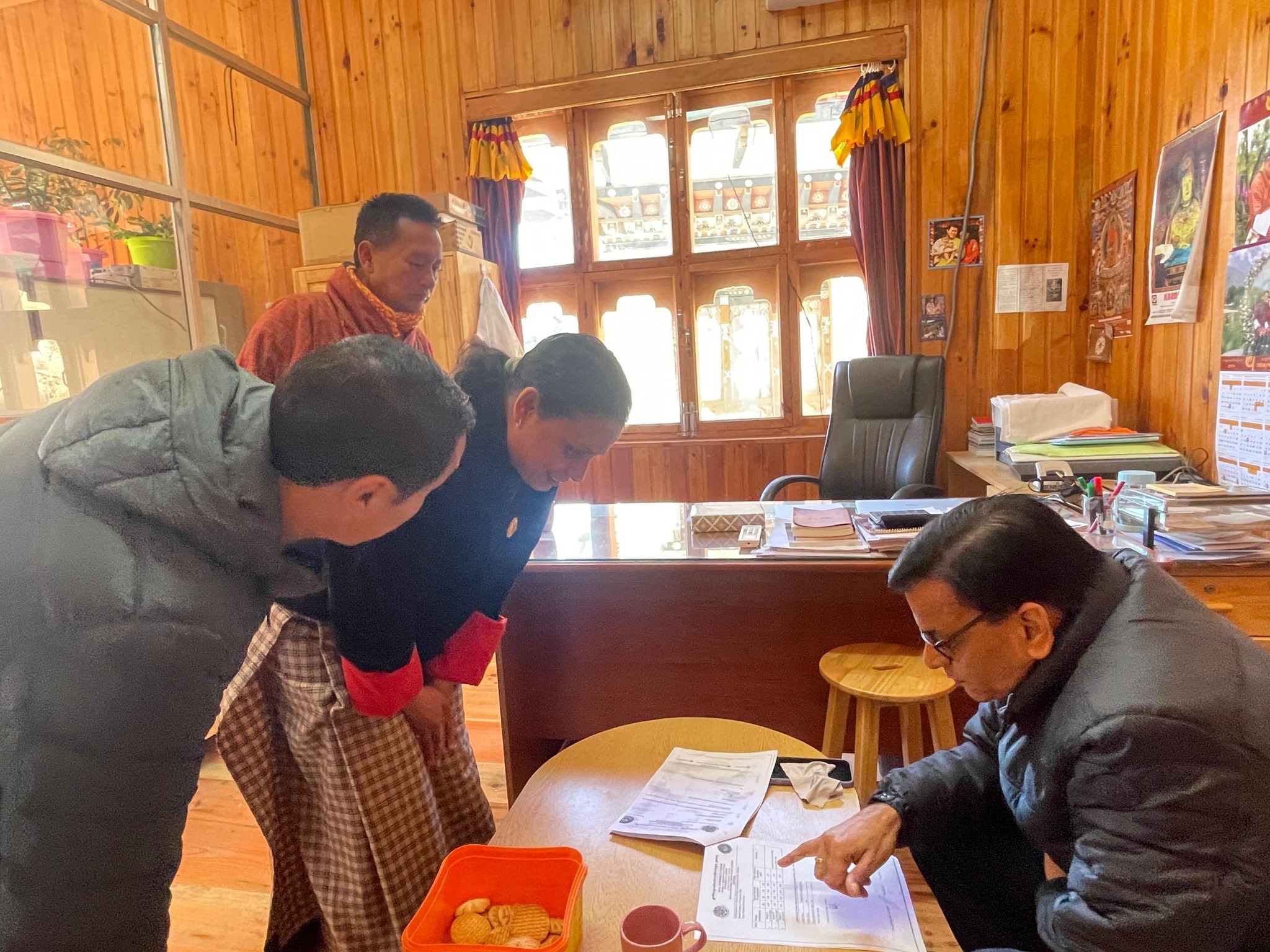
On the morning of 24th November, the Director, accompanied by Chiefs from the Department of Livestock (DoL) and the Regional Director of RLDC, convened with the Mongar Dzongkhag Livestock Sector (DLS). The meeting brought together the ADLO, LPO, Veterinary Officer, and Livestock Supervisors from 14 Gewogs of the Dzongkhag.
The Director expressed sincere appreciation to the Mongar Livestock Sector for organizing this valuable engagement with the technical staff. She acknowledged the sector’s outstanding achievements despite the challenges of an ongoing transformation. The dedication of the team in meeting targets while navigating change was especially praiseworthy. The Director and Chiefs also thanked the Mongar Dzongkhag for their hard work in ensuring that service delivery remains efficient and effective.

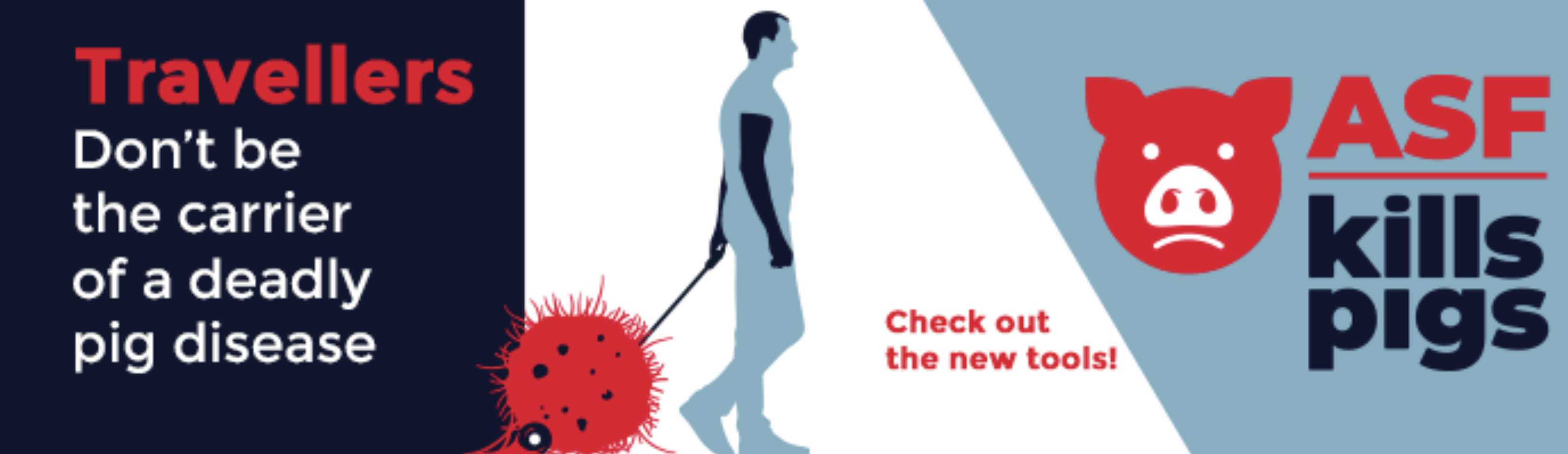
The Director underscored the importance of aligning departmental objectives with field-level contributions to ensure effective resource utilization. The collaboration shown by the team, particularly in addressing the ASF disease outbreak, implementing the LSD vaccination campaign, and coordinating the NADPM-RCP program, was exemplary, highlighting the commendable teamwork and coordination among the Dzongkhag staff.
The meeting provided a meaningful platform for dialogue, focusing on key organizational priorities. Topics discussed included strategic planning for the 13th Five Year Plan, evaluating the progress of the LSD vaccination program, promoting high-value livestock products, advancing research and extension services, strengthening disease control protocols, enhancing reporting systems, farm biosecurity, standardization of services, animal nutrition, and formulating comprehensive livestock production strategies.

𝘝𝘪𝘴𝘪𝘵 𝘵𝘰 𝘠𝘢𝘥𝘪 𝘔𝘪𝘭𝘬 𝘊𝘰𝘭𝘭𝘦𝘤𝘵𝘪𝘰𝘯 𝘊𝘦𝘯𝘵𝘳𝘦

In the early afternoon, the Director visited Yadi Milk Collection Centre (MCC) while en route to Trashigang. This pivotal facility, established under the CARLEP (Commercial Agriculture and Resilient Livelihoods Enhancement Programme) project funded by the International Fund for Agricultural Development (IFAD), has significantly supported dairy production in Mongar Dzongkhag. This facility has benefited the dairy farmers in collecting raw milk from two Gewogs of Ngatsang and Balam.

In Ngatsang Gewog, milk collection is organized through several farmer groups and cooperatives. The Yadi group, comprising three sub-groups, contributes 560 liters of milk during the flush season and 250 liters during the lean season, all supplied to the KIL dairy processing center under a contractual agreement. Additionally, the Ngatsang Gonor Detsen Cooperative, with 45 members, actively participates in milk production, alongside the Thungbari Farmer Cooperative, which consists of 20 members. The Yadi Gonor Detsen Cooperative, the largest in the gewog with 65 members, makes a significant contribution to milk production.
Similarly, in Balam Gewog, milk collection is managed by five farmers’ groups operating under the same contractual agreement with KIL. During the flush season, 600 liters of milk are collected, while production decreases to 300 liters in the lean season. These agreements ensure a consistent and reliable supply of milk to the KIL processing plant, supporting the region’s dairy value chain.
Women play a key role in these operations, with 70 members across both gewogs actively participating in milk production and collection. This highlights the initiative’s positive impact on gender inclusion and empowerment in the agricultural sector.

The establishment of the Yadi Milk Collection Centre under the IFAD-supported CARLEP project has not only enhanced milk production but also improved the livelihoods of farmers in the eastern Dzongkhags. By providing a structured platform for milk collection and supply, it has strengthened the local dairy industry while fostering economic growth in the region.
𝘝𝘪𝘴𝘪𝘵 𝘵𝘰 𝘕𝘺𝘢𝘮𝘢𝘦𝘥 𝘓𝘜𝘊 𝘚𝘪𝘵𝘦

Enroute Tashigang, the Director and team visited Nyamaed Land Use Certificate (LUC) in Mongar Dzongkhag, recognizing its vital role in promoting integrated farming and youth engagement. This 16-acre farm stands as a beacon of innovation and determination, focusing on horticulture, livestock farming, and sustainable agriculture. With functional infrastructure like mushroom sheds, greenhouses, poultry and dairy farms, and compost systems, Nyamaed LUC is not only a source of livelihood for its dedicated five-member team (3 male, 2 female) but also an inspiration for youth and the local community. This visit highlighted the importance of supporting such initiatives to empower youth and drive sustainable development in agriculture.
𝘔𝘦𝘦𝘵𝘪𝘯𝘨 𝘸𝘪𝘵𝘩 𝘛𝘢𝘴𝘩𝘪𝘨𝘢𝘯𝘨 𝘋𝘓𝘚
Later that evening, Director met with the staff of the Livestock Sector of Tashigang Dzongkhag. The Director expressed her heartfelt appreciation to the staff for their unwavering commitment to providing livestock services to farmers and commended their remarkable contributions to advancing the livestock sector and enhancing the livelihoods of farmers. During the meeting, the Director outlined the objectives of the upcoming 13th Five-Year Plan and underscored the need to align Dzongkhag targets with the overarching initiatives of the livestock sector.

She emphasized the importance of maintaining motivation in field operations, highlighting that a mindful approach and dedicated service delivery are integral to achieving professional excellence. Furthermore, she encouraged the staff to uphold personal values while delivering services, reinforcing that staying motivated is a crucial aspect of their roles.
The meeting also reviewed the overall progress and the way forward plans of the Dzongkhag Livestock Sector presented by the Dzongkhag Livestock Officer.

Loading

𝐃𝐨𝐋 𝐃𝐢𝐫𝐞𝐜𝐭𝐨𝐫 𝐯𝐢𝐬𝐢𝐭𝐬 𝐌𝐞𝐫𝐚𝐤 𝐆𝐞𝐰𝐨𝐠, 𝐓𝐚𝐬𝐡𝐢𝐠𝐚𝐧𝐠 𝐃𝐳𝐨𝐧𝐠𝐤𝐡𝐚𝐠

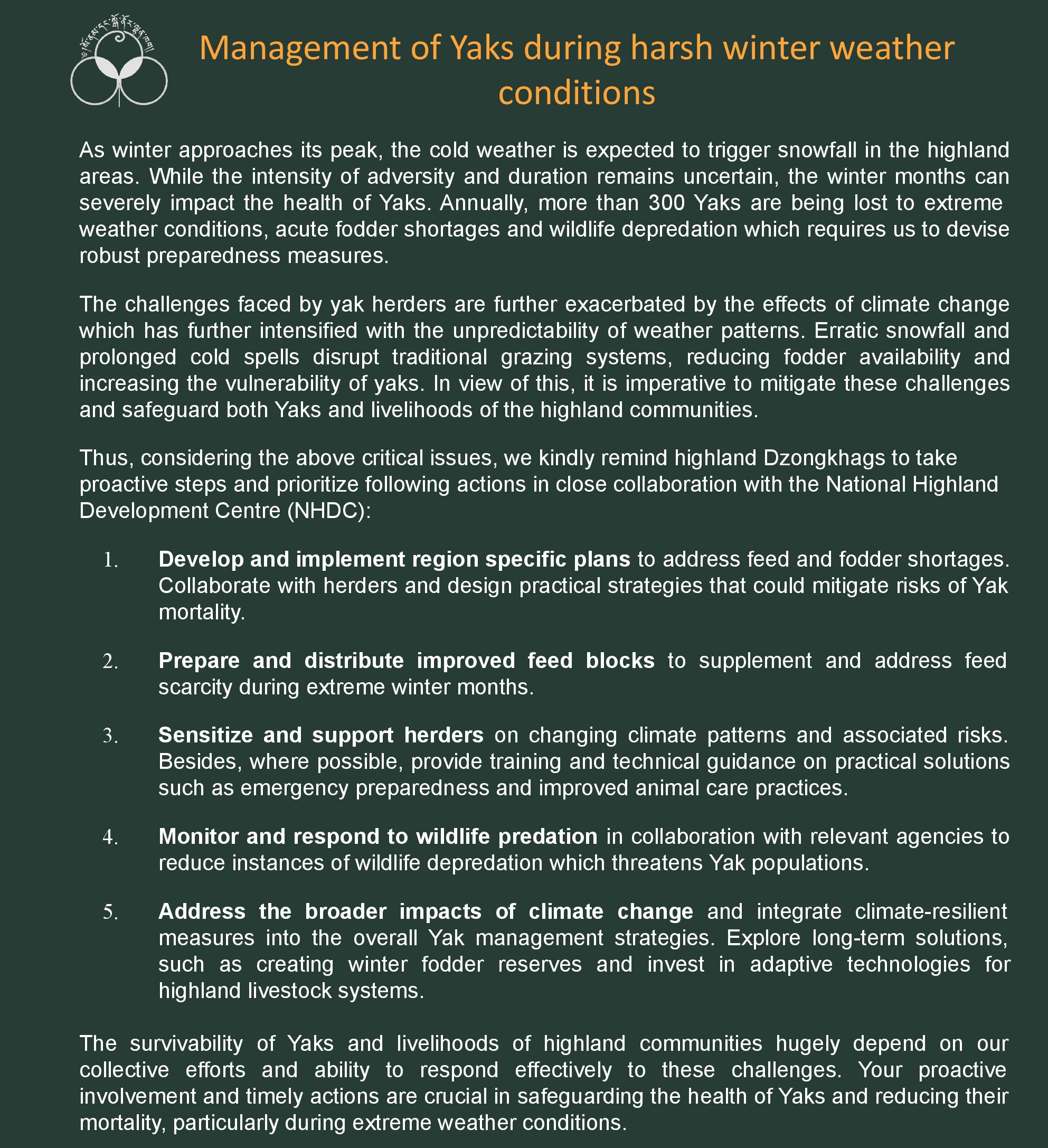
On November 25, the Director, along with the Chiefs and team, visited Merak and engaged with the highland farmers of the community. In her opening remarks, the Director expressed gratitude to the farmers for their exceptional efforts in yak herding and enhancing their livelihoods, noting that their contributions are integral to the nation’s development process. She also highlighted the unique cultural heritage of the Merak and Sakteng communities, emphasizing its paramount importance in preserving the country’s rich cultural identity.

Merak Gewog in Trashigang Dzongkhag is a hub of traditional livestock rearing, deeply intertwined with the livelihoods and cultural identity of its highland communities. The Gewog hosts 41 households dedicated to yak rearing, with a total yak population of 1,363. Yaks play a vital role in the highland ecosystem, providing essential resources such as dairy products, wool, and transport, which are integral to the community’s sustenance.

Additionally, 134 households are engaged in rearing Zo-Zoms, hybrid cattle that combine the resilience of yaks with the productivity of domestic cattle.

𝙑𝙞𝙨𝙞𝙩 𝙩𝙤 𝙒𝙤𝙤𝙡 𝙋𝙧𝙤𝙘𝙚𝙨𝙨𝙞𝙣𝙜 𝙐𝙣𝙞𝙩 𝙞𝙣 𝙈𝙚𝙧𝙖𝙠

A modern wool-processing centre in Merak Gewog, Trashigang Dzongkhag, is revolutionizing wool production in the region. The centre, established under the *Community-based Mechanised Micro Wool Processing Centre for Economic Empowerment of Brokpa Women and Youth* project, has significantly improved efficiency. Traditional methods, which took six days to process 1 kg of wool into yarn, have been replaced with machinery that accomplishes the task in just one hour. This advancement is helping Brokpa women save time, reduce their workload, and improve the quality of their products.The project not only modernizes wool processing but also empowers women and preserves cultural traditions. It aims to enhance the financial independence of herder women and provide training in wool processing, dyeing, and weaving techniques. These skills have enabled them to produce high-quality wool, increasing its market value.

Funded by the European Union (EU) through Helvetas, along with additional contributions from APIC and the Trashigang Dzongkhag Livestock Sector, the project is managed by Buchung Kewa Zangpo Aumsu Deytshen. This initiative is revitalizing sheep-rearing practices while preserving Bhutan’s traditional attire, such as teodung, chuba, kango shingkha, and zhamu.
By blending innovation with cultural preservation, this project is transforming the lives of highland communities in Merak and Sakteng, ensuring sustainable livelihoods and a brighter future for its people.

Loading