Category: News

𝐖𝐨𝐫𝐤𝐬𝐡𝐨𝐩 𝐨𝐧 𝐎𝐧𝐞 𝐇𝐞𝐚𝐥𝐭𝐡 𝐙𝐨𝐨𝐧𝐨𝐭𝐢𝐜 𝐃𝐢𝐬𝐞𝐚𝐬𝐞 𝐏𝐫𝐢𝐨𝐫𝐢𝐭𝐢𝐳𝐚𝐭𝐢𝐨𝐧 (𝐎𝐇𝐙𝐃𝐏) 𝐮𝐬𝐢𝐧𝐠 𝐂𝐃𝐂 𝐭𝐨𝐨𝐥 𝐚𝐧𝐝 𝐉𝐨𝐢𝐧𝐭 𝐑𝐢𝐬𝐤 𝐀𝐬𝐬𝐞𝐬𝐬𝐦𝐞𝐧𝐭 𝐎𝐩𝐞𝐫𝐚𝐭𝐢𝐨𝐧𝐚𝐥 𝐓𝐨𝐨𝐥 (𝐉𝐑𝐀 𝐎𝐓) 𝐔𝐬𝐢𝐧𝐠 𝐎𝐧𝐞 𝐇𝐞𝐚𝐥𝐭𝐡 𝐀𝐩𝐩𝐫𝐨𝐚𝐜𝐡 𝐢𝐧 𝐁𝐡𝐮𝐭𝐚𝐧

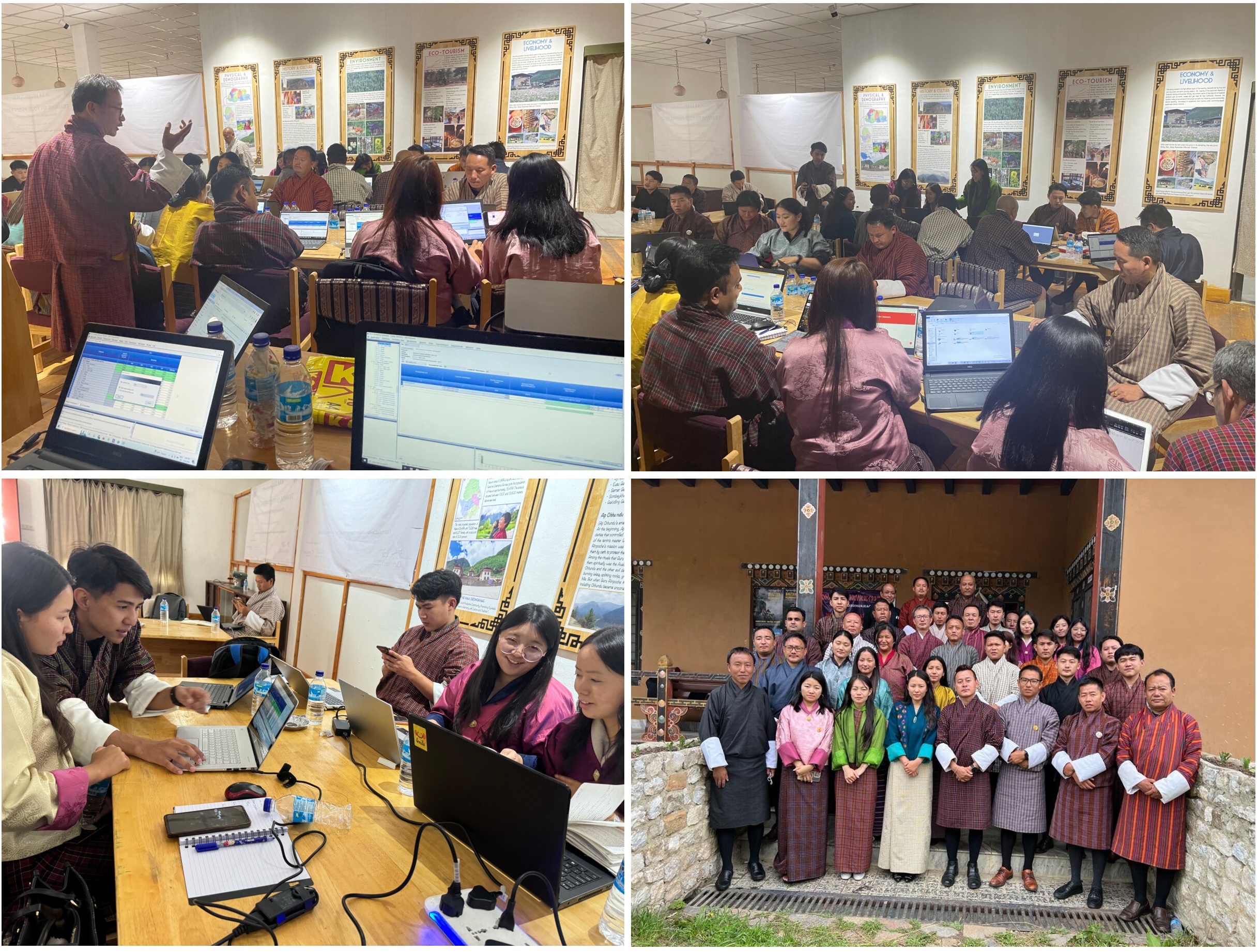
𝟐𝟗𝐭𝐡 𝐀𝐩𝐫𝐢𝐥 𝟐𝟎𝟐𝟒, 𝐏𝐚𝐫𝐨: The Bhutan One Health Secretariat is coordinating a workshop among key One Health stakeholders to prioritize zoonotic diseases and build capacity in joint risk assessment for prioritized zoonotic diseases. The workshop is an innovative collaborative platform where experts from tripartite (FAO, WOAH and WHO) and the One Health stakeholder seek to address the challenges posed by zoonotic diseases. Through a One Health approach, the workshop aims to prioritize zoonotic diseases based on their impact on human, animal health and environment using prioritization and risk assessment tools developed by the CDC and tripartite and foster interdisciplinary collaboration to effectively manage disease risks.

The workshop will serve as a nexus for professionals in human-animal-environmental interface, an opportunity to collaboratively discuss and develop consensus in one health approach to zoonotic disease management. Expert presentations, interactive group works, and case based discussions provide valuable insights, while the use of tools empowers participants with actionable resources to enhance disease surveillance, response planning, and communication.

By harnessing the collective expertise and resources of stakeholders across sectors, the One Health Zoonotic Disease Prioritization and Joint Risk Assessment Operational Tool Workshop aims to strengthen national preparedness and response to zoonotic disease threats. Together, the team will work towards a safer and healthier future, where the principles of One Health guide our efforts to prevent, detect, and mitigate the impact of zoonotic diseases on human-animal-environment interphase.

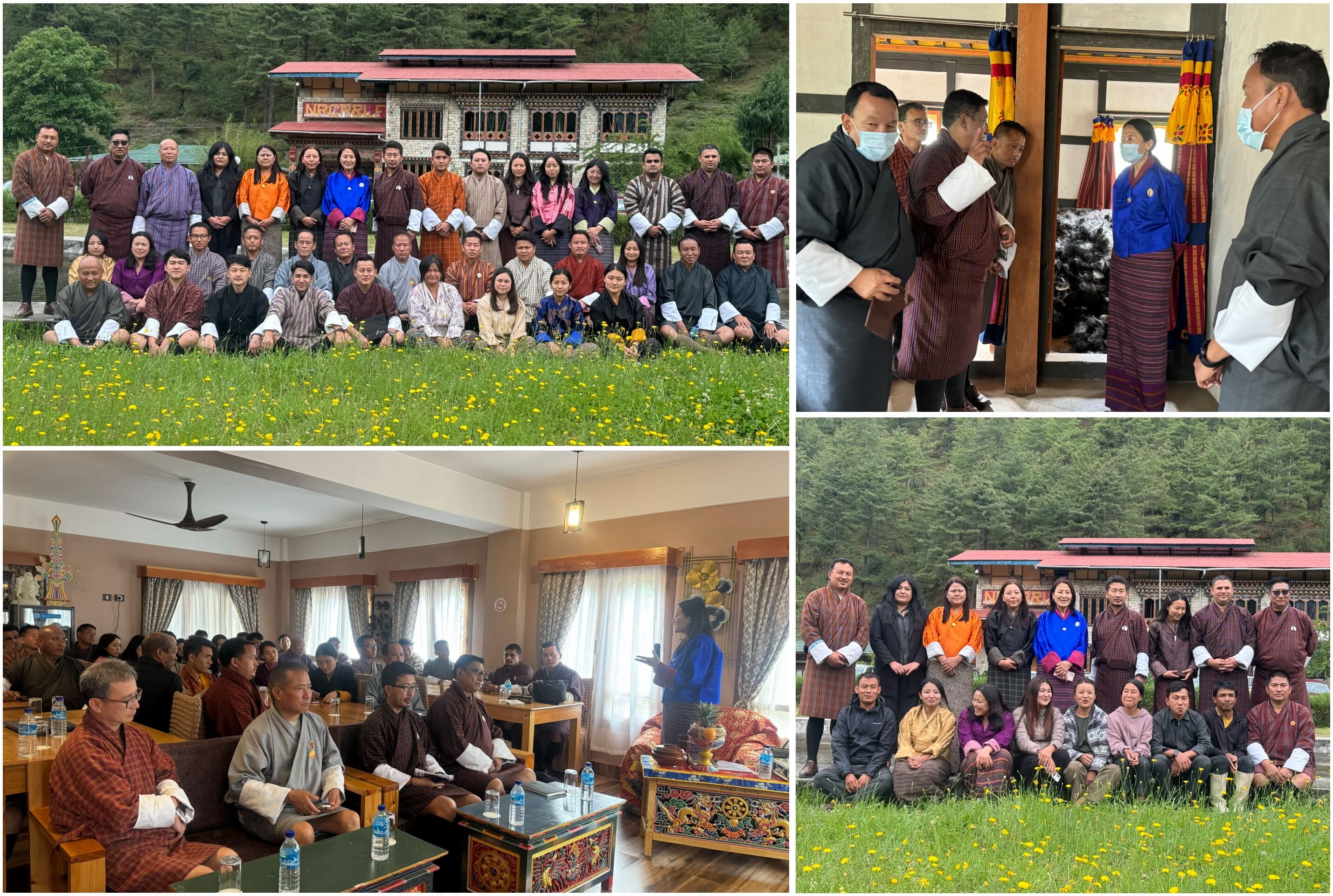
The workshop is jointly organized by Bhutan One Health Secretariat under Pandemic Fund Project with technical support from Tripartite. A total of 42 participants (Animal Health, Human Health, Food, Wildlife and Environment, Universities (KGUMSB, RUB-CNR) and Partners from FAO, WHO, WOAH are participating. A week-long workshop started today which was inaugurated by hon’ble chair of Inter-Ministerial Committe for One Health (IMCOH) currently, the Secretary of Ministry of Health in presence of Tripartite Partners represented by FAO Representative for Bhutan and Nepal – Mr Ken Shimizu, WHO Representative – Dr Bhupinder Kaur and WOAH Representative – Dr Kinzang Dukpa. Directors from Department of Livestock, Department of Public Health, Asst. FAO representatives were present during the inauguration of the workshop.

Ministry of Agriculture and Livestock, Royal Government of Bhutan

Loading

𝐒𝐭𝐫𝐞𝐧𝐠𝐭𝐡𝐞𝐧𝐢𝐧𝐠 𝐭𝐡𝐞 𝐀𝐧𝐢𝐦𝐚𝐥 𝐍𝐮𝐭𝐫𝐢𝐭𝐢𝐨𝐧 𝐋𝐚𝐛𝐨𝐫𝐚𝐭𝐨𝐫𝐲 𝐒𝐞𝐫𝐯𝐢𝐜𝐞𝐬 𝐚𝐭 𝐍𝐃𝐂𝐀𝐍, 𝐁𝐮𝐦𝐭𝐡𝐚𝐧𝐠

In an effort to strengthen the capacity of providing advanced Animal Nutrition laboratory analytical service in the country, the National Development Center for Animal Nutrition (NDCAN), Bumthang has recently completed the installation of an advanced Animal Nutrition laboratory equipment, supported by the Korean International Cooperation Agency (KOICA) project.

The newly received major laboratory equipment sets include Atomic Absorption Spectroscopy (AAS), Gas Chromatography Mass Spectrometry (GC-MS) and Near Infrared Spectroscopy (NIRS) with accessories. To build technical capacity for seamless operation of the advanced laboratory equipment, the two week long demonstration and hands on training is underway starting 18th March, 2024 at NDCAN, Bumthang. The Animal Nutrition Laboratory staff and focal persons from the Livestock Production Division, Department of Livestock are attending the training.

Strengthening capacity in advanced animal nutrition analytical services is essential for promoting animal health, enhancing production efficiency, optimizing costs, ensuring quality control, and fostering research and innovation in the field of animal nutrition. The use of these advanced analytical techniques provides accurate and precise measurements of various nutrients and contaminants in feed samples. This ensures that feed formulations are tailored to meet the specific nutritional requirements of animals. These analytical techniques can detect and quantify contaminants such as heavy metals, pesticides, and other harmful substances in feed samples. This helps in ensuring feed safety and preventing potential health risks to animals.

Two weeks long demonstration and training are facilitated by a qualified Chemist & Service Engineer supported by Shimadzu company representative based in Nepal. With the completion of the training, the center is expected to cater advanced animal nutrition analytical test service and reduce the feed samples referral for similar tests outside the country which in turn will help in curtailing expenditure for availing advanced analytical service hereafter.

Reported by:

National Development Centre for Animal Nutrition

Loading