Category: News

𝐒𝐃𝐅 𝐋𝐚𝐮𝐧𝐜𝐡 𝐨𝐟 𝐭𝐡𝐞 𝐑𝐞𝐠𝐢𝐨𝐧𝐚𝐥 𝐏𝐫𝐨𝐣𝐞𝐜𝐭𝐬

𝘋𝘰𝘓’𝘴 𝘌𝘧𝘧𝘰𝘳𝘵 𝘵𝘰 𝘵𝘳𝘢𝘯𝘴𝘧𝘰𝘳𝘮 𝘢𝘲𝘶𝘢𝘤𝘶𝘭𝘵𝘶𝘳𝘦 𝘴𝘦𝘤𝘵𝘰𝘳 𝘪𝘯 𝘉𝘩𝘶𝘵𝘢𝘯 𝘵𝘩𝘳𝘰𝘶𝘨𝘩 𝘚𝘋𝘍 𝘱𝘳𝘰𝘫𝘦𝘤𝘵 “𝘓𝘪𝘷𝘦𝘭𝘪𝘩𝘰𝘰𝘥 𝘌𝘯𝘩𝘢𝘯𝘤𝘦𝘮𝘦𝘯𝘵 𝘰𝘧 𝘚𝘮𝘢𝘭𝘭-𝘴𝘤𝘢𝘭𝘦 𝘍𝘪𝘴𝘩 𝘍𝘢𝘳𝘮𝘦𝘳𝘴 𝘢𝘯𝘥 𝘕𝘶𝘵𝘳𝘪𝘵𝘪𝘰𝘯 𝘚𝘦𝘤𝘶𝘳𝘪𝘵𝘺 𝘰𝘧 𝘙𝘶𝘳𝘢𝘭 𝘗𝘰𝘱𝘶𝘭𝘢𝘵𝘪𝘰𝘯𝘴 𝘪𝘯 𝘵𝘩𝘦 𝘚𝘈𝘈𝘙𝘊 𝘙𝘦𝘨𝘪𝘰𝘯 𝘵𝘩𝘳𝘰𝘶𝘨𝘩 𝘈𝘲𝘶𝘢𝘤𝘶𝘭𝘵𝘶𝘳𝘦 𝘋𝘦𝘷𝘦𝘭𝘰𝘱𝘮𝘦𝘯𝘵”
𝐒𝐨𝐮𝐫𝐜𝐞: SAARC Development Fund
Thimphu, Bhutan, 9 December 2024 – The SAARC Development Fund (SDF) celebrated the 40th SAARC Charter Day, commemorating the historic adoption of the SAARC Charter on December 8, 1985. The event, held in Thimphu today, brought together dignitaries, ambassadors, senior government officials, and stakeholders to honour the vision of regional cooperation and unity in South Asia.
As the only SAARC institution headquartered in Thimphu, Bhutan, SDF highlighted its role in advancing the region’s development agenda since its establishment in 2010. Speaking at the event, Bhutan’s Finance Minister and SDF Governing Council Member, Lyonpo Lekey Dorji, underscored the significance of regional collaboration: “SAARC stands as a symbol of resilience and unity, embodying the desire of its member states to work collectively for progress and mutual benefit. Let us embrace the immense potential of our region and reaffirm our commitment to economic connectivity and human capital development.”
During the celebrations, Officer-in-Charge of SDF, Jamal Uddin Ahmed, shared about the SDF’s role in fostering regional development. “With over 90 projects implemented across 15 thematic areas, SDF’s initiatives reflect our unwavering commitment to social progress, economic growth, and poverty alleviation across South Asia. The trust of our partners makes everything we do possible,” he said. “On this 40th SAARC Charter Day, we honour the vision of our founding leaders and look ahead to unlocking the region’s immense potential through resilience, connectivity, and collaboration.”
SDF also announced the launch of three projects under its Social Window, with a total of over USD 9.7 million, aimed at enhancing livelihoods, advancing inclusive early childhood education and sustainable energy solutions.
“These projects are a testament to SDF’s commitment to development in the region,” said the Officer-In-Charge, Jamal Uddin Ahmed.
The project “Livelihood Enhancement of Small-scale Fish Farmers and Nutrition Security of Rural Populations in the SAARC Region through Aquaculture Development” seeks to transform aquaculture practices and bolster nutrition security in six SAARC member states: Bangladesh, Bhutan, India, Maldives, Nepal, and Sri Lanka. With a budget of USD 3,966,671—comprising USD 3,227,562 from SDF and USD 739,109 as in-kind co-financing—the three-year initiative is led by the ICAR-Central Institute of Freshwater Aquaculture, India. The implementation is supported by leading government agencies from each participating country, including the Department of Fisheries (Bangladesh), the National Research and Development Centre for Aquaculture under the Ministry of Agriculture and Livestock (Bhutan), ICAR-CIFA (India), Maldives Marine Research Institute (Maldives), the Central Fisheries Promotion and Conservation Center (Nepal), and the National Aquaculture Development Authority (Sri Lanka).
The project focuses on three key components: conducting surveys to identify critical aquaculture inputs and technologies, developing infrastructure for aquaculture supply, including advanced feed mills and hatcheries, and fostering knowledge management and capacity building through training programs and technology demonstrations, with a special emphasis on supporting women and small-scale farmers. This regional collaboration aims to uplift livelihoods, advance sustainable aquaculture, and enhance food security for rural communities across South Asia.
The second project “Partnership for Quality Inclusive Early Childhood Development & Basic Education” aims to enhance access to inclusive, high-quality learning environments for children, including children with disabilities, in Bhutan and Nepal. With a total budget of USD 4,788,460 (USD 2,394,230 from SDF and an equal cash contribution from Save the Children), the three-year initiative is led by Save the Children in collaboration with the Department of School Education and Ability Bhutan Society in Bhutan. The project aims to enhance access to inclusive learning environments, build the capacity of caregivers and teachers to promote children’s development and well-being, and encourage collaboration among stakeholders to ensure sustainable support for early childhood development.
The third project “Production of Commercial Biogas from Household Waste” aims to address rising energy needs and promote an energy transition from LPG to biogas for urban cooking in Bhutan. With a total budget of USD 948,616 (USD 448,616 from SDF and USD 500,000 in co-funding), the two-year initiative is spearheaded by the Bhutan Ecological Society in collaboration with the Department of Environment and Climate Change and the Thimphu Municipality Office. The project will establish a biogas plant on the outskirts of Thimphu to process biodegradable waste, producing commercial canned biogas and bio-fertilizers. This initiative supports Bhutan’s efforts to diversify its energy sector while offering technological, environmental, and economic benefits.

Loading

𝗗𝗼𝗟 𝗗𝗶𝗿𝗲𝗰𝘁𝗼𝗿 𝗮𝗻𝗱 𝗖𝗵𝗶𝗲𝗳𝘀 𝗠𝗲𝗲𝘁 𝘄𝗶𝘁𝗵 𝗣𝗲𝗺𝗮𝗴𝗮𝘁𝘀𝗵𝗲𝗹 𝗗𝗟𝗦 𝗦𝘁𝗮𝗳𝗳 𝗮𝗻𝗱 𝗩𝗶𝘀𝗶𝘁 𝗠𝗶𝗹𝗸 𝗣𝗿𝗼𝗰𝗲𝘀𝘀𝗶𝗻𝗴 𝗨𝗻𝗶𝘁𝘀

𝙈𝙚𝙚𝙩𝙞𝙣𝙜 𝙬𝙞𝙩𝙝 𝙩𝙝𝙚 𝙇𝙞𝙫𝙚𝙨𝙩𝙤𝙘𝙠 𝙎𝙚𝙘𝙩𝙤𝙧 𝙤𝙛 𝙋𝙚𝙢𝙖𝙜𝙖𝙩𝙨𝙝𝙚𝙡 𝘿𝙯𝙤𝙣𝙜𝙠𝙝𝙖𝙜
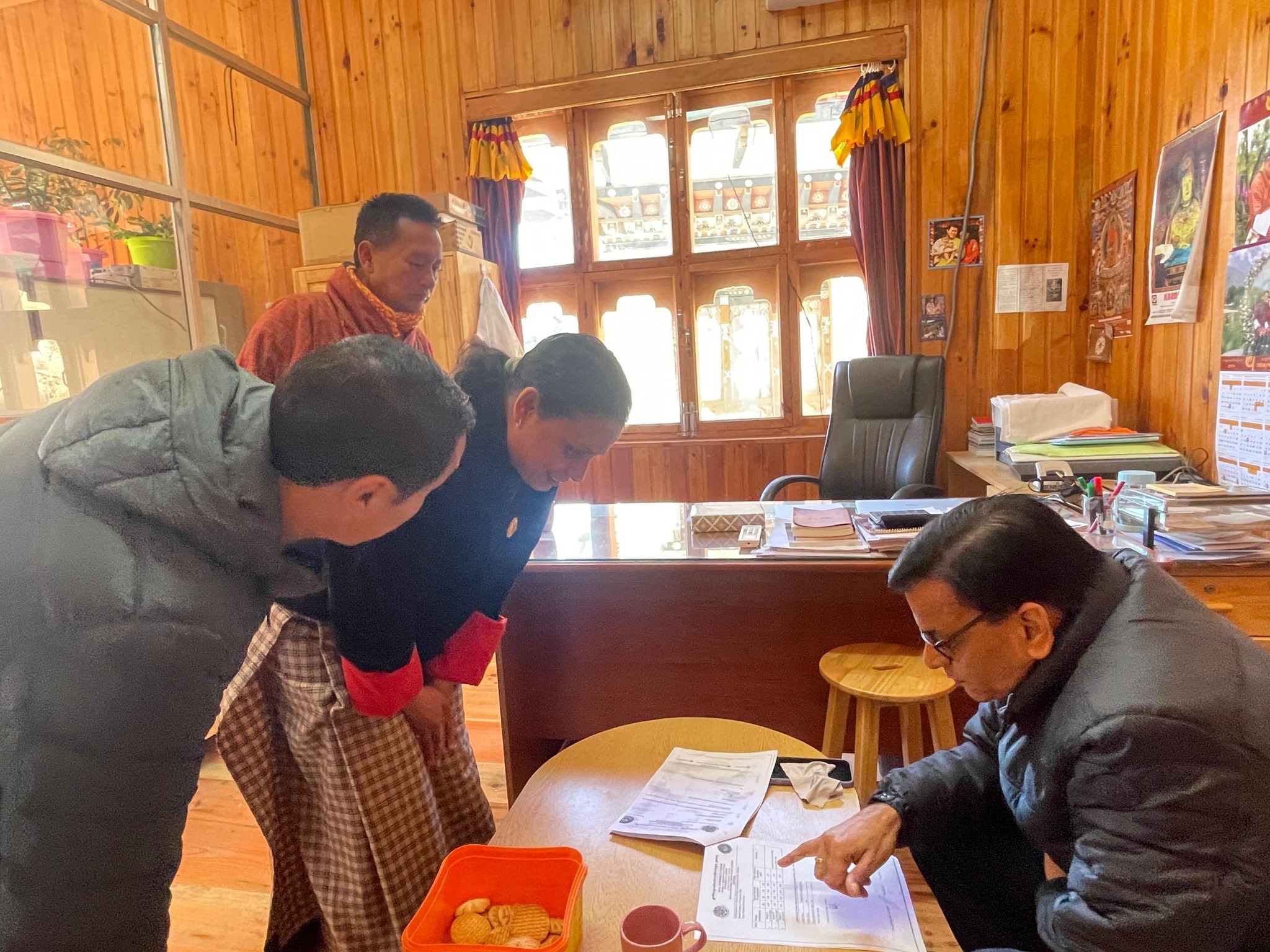
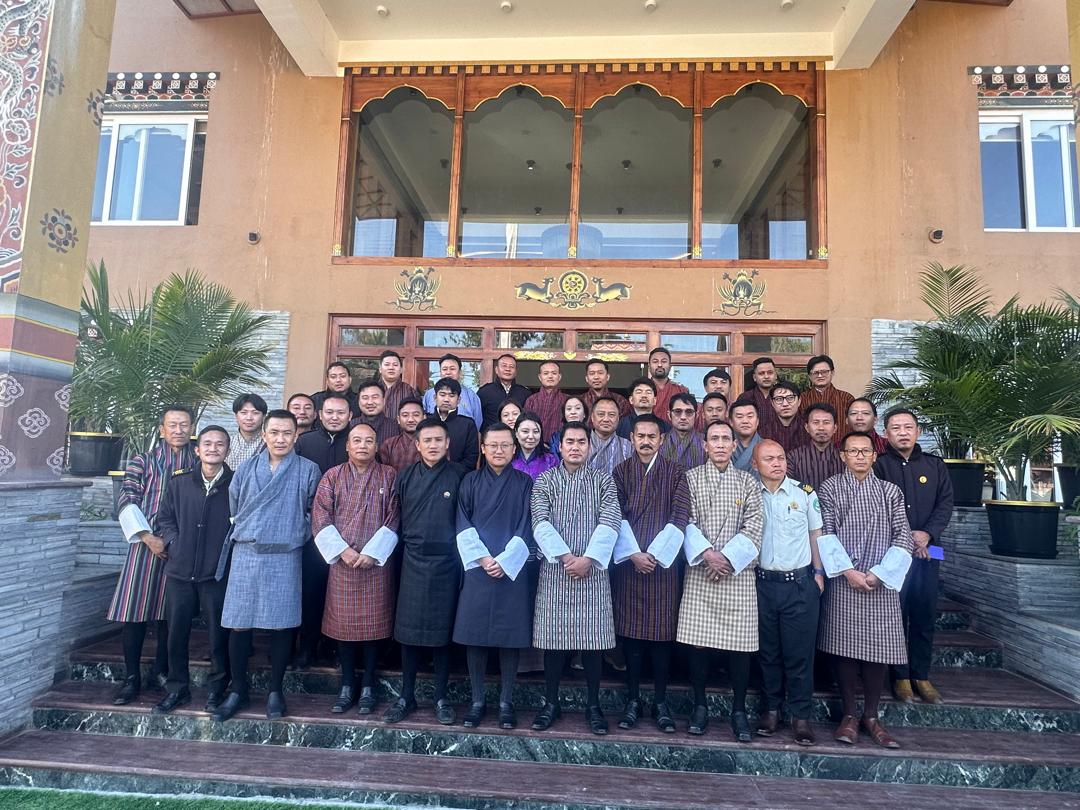
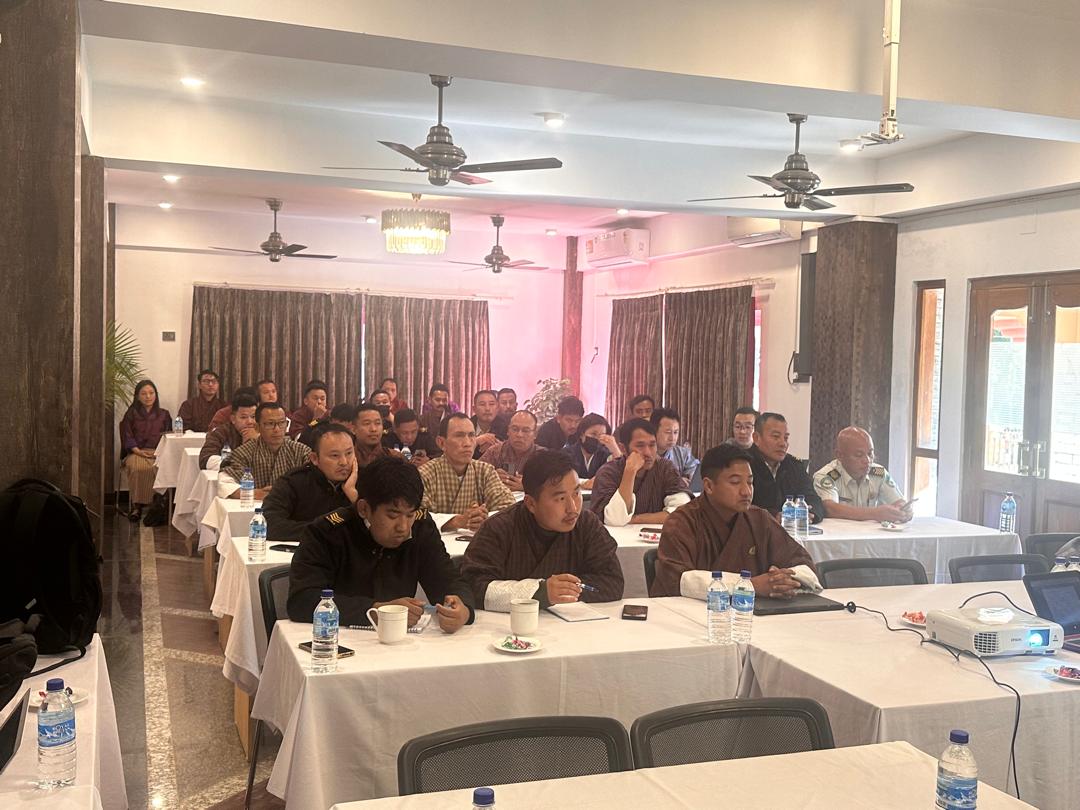
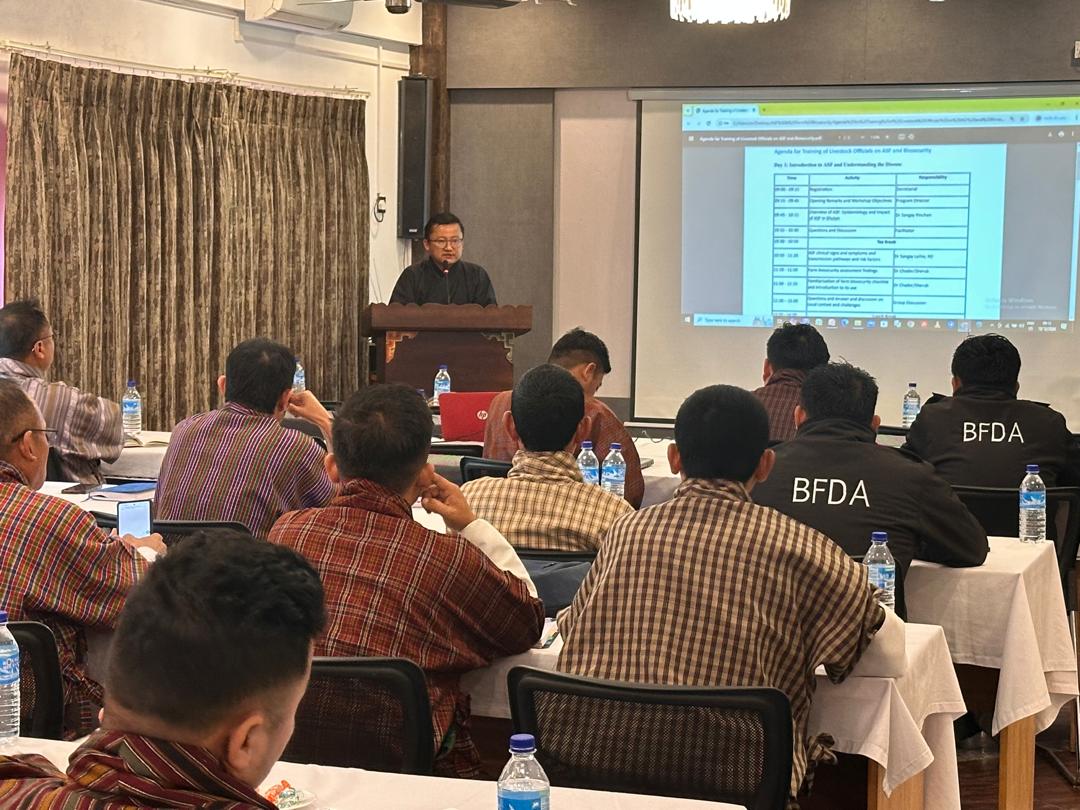
On November 28, the Director and Chiefs met with the Livestock Sector team of Pemagatshel Dzongkhag. The Director commended the team’s remarkable achievements especially in dairy sector and encouraged them to remain motivated and committed to serving the farming community. An overview of the Department’s 13th Five-Year Plan was presented, emphasizing the importance of strong leadership qualities, particularly the 3Ds of Leadership: Direction (setting clear goals), Drive (fostering teamwork and collaboration), and Delivery (ensuring effective and efficient implementation) in order to achieve the results.
Key discussions included critical technical and strategic priorities, including enhancing farm biosecurity measures, maintaining effective communication lines, procuring Jersey cattle to improve the national dairy herd, establishment of Elite Heifer Breeding Schemes in the country, and adopting a One Health Approach to ensure inclusivity in the food production system. Other topics included improving animal nutrition, coordinating food supplies for Gyalsuung, and developing high-quality livestock products to expand market opportunities for farmers.
𝙑𝙞𝙨𝙞𝙩 𝙩𝙤 𝙉𝙖𝙣𝙜𝙠𝙤𝙧 𝙈𝙞𝙡𝙠 𝙋𝙧𝙤𝙘𝙚𝙨𝙨𝙞𝙣𝙜 𝙐𝙣𝙞𝙩 𝙞𝙣 𝙎𝙝𝙪𝙢𝙖𝙧 𝙂𝙚𝙬𝙤𝙜
The Director visited the Nangkor Milk Processing Unit in Shumar Gewog, a key facility in the region supporting local dairy farmers and enhancing milk production value chains. Supported by CARLEP (IFAD), the unit comprises two groups: Bartsiri Gonor Chuethuen Detsen, with 5 members (4 women), and the Shumar Dairy Group, with 61 members (42 women). Together, the groups process approximately 7,000 liters of milk per month (320 liters daily) into products such as cheese, butter, and yogurt. Additionally, Bartsiri Gonor Chuethuen Detsen supplies milk to schools and sells liquid milk locally.
The Director commended the strong participation of women, recognizing their significant role in improving livelihoods, fostering entrepreneurship, and advancing the growth of the dairy sector. This reflects the broader empowerment of women in rural development and agricultural value chains.
𝙑𝙞𝙨𝙞𝙩 𝙩𝙤 𝙈𝙞𝙡𝙠 𝙋𝙧𝙤𝙘𝙚𝙨𝙨𝙞𝙣𝙜 𝙐𝙣𝙞𝙩 𝙞𝙣 𝙉𝙤𝙧𝙗𝙪𝙜𝙖𝙣𝙜 𝙂𝙚𝙬𝙤𝙜
The Director and team also visited the Milk Processing Unit (MPU) operated by Zambalha Natshog Nyamley Tshogdey (ZNNT) in Norbugang Gewog. Established in 2015 with 32 members, the group has expanded to include 65 active members (30 men and 35 women) from four villages: Rinchenzor, Norbugang, Ningshingborang, and Tahsingzor. During the flush season, the group collectively produces 700-800 liters of fresh milk daily, which is processed into 700-800 balls of cheese and 35-40 kilograms of butter. These products are marketed in Nganglam Town, Phuntsholing, and Thimphu, significantly contributing to rural livelihoods and the local economy.
The MPU has thrived with continuous support from CARLEP (IFAD), enabling it to sustain and grow its operations. The initiative has created stable employment opportunities for local youth, improved household incomes, and empowered rural communities. It has also promoted trust and confidence among group members, driving collective efforts toward shared goals and strengthening community bonds. The Director commended the teams for their dedication and reaffirmed the department’s commitment to providing continued support for sustainable development in the region.

Loading